Film in Context: Menschen am Sonntag
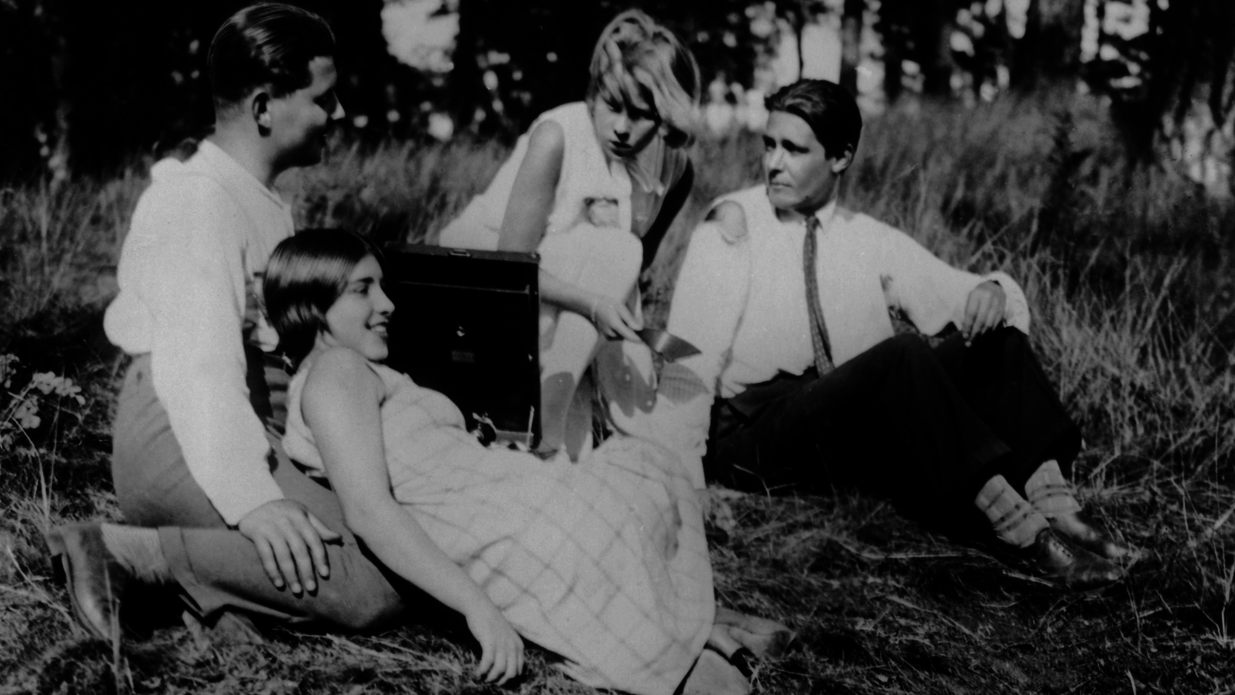
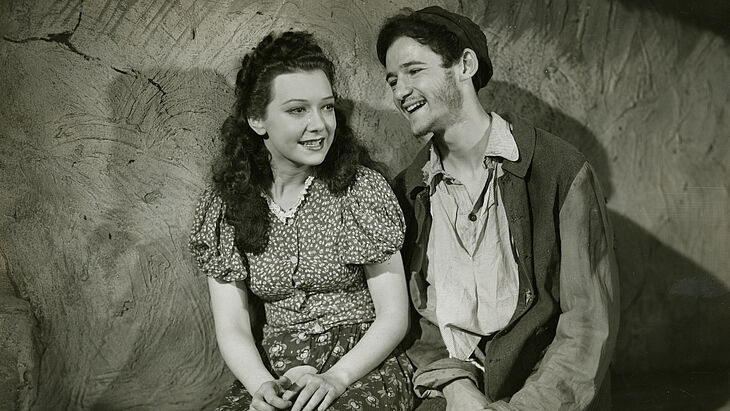
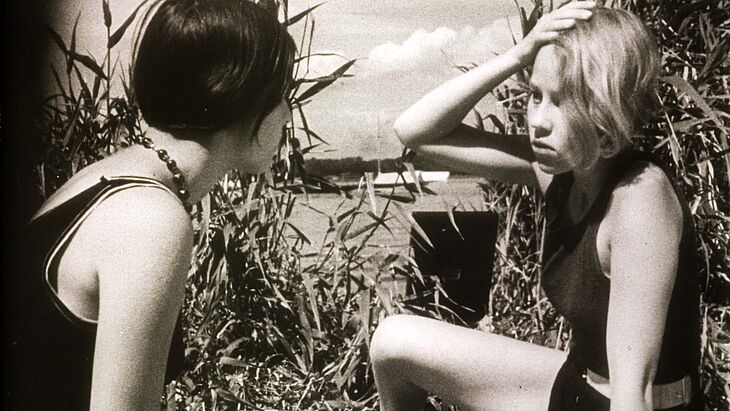
There are films that seem to have fallen from the sky, so unusual, unprecedented, and unique are they. Suddenly, a breath of fresh air can be felt, a new attitude toward life, a different mindset. One such film is the 1929 Berlin film Menschen am Sonntag, which was shot partly in the city, but mainly at Lake Wannsee. Four young people arrange to go on an outing and spend Sunday by the water. An everyday story, carried by a zest for life, affection, and cheerfulness, told in loosely connected episodes: swimming in the lake, lying in the sand, listening to music, getting closer. In between, there are documentary shots of the beach. The camera captures details, faces, gestures. Instead of professional actors or even stars, amateurs perform in front of the camera: people who “return to their jobs after the film.”
Menschen am Sonntag is not only fascinated by the summery attitude to life of a group of ordinary Berliners, the film itself is the result of a collective effort by predominantly young and inexperienced film lovers. Together, they achieve something unheard of, something never seen before. Film scholar Heike Klapdor recently dedicated an enlightening film review to Menschen am Sonntag. Her book Robert Siodmak, Edgar G. Ulmer: MENSCHEN AM SONNTAG (Munich: edition text + kritik 2025) knowledgeably reveals the various cultural references and traditions of cinematic design and narrative—and reminds us en passant that this film did not fall from the sky either.
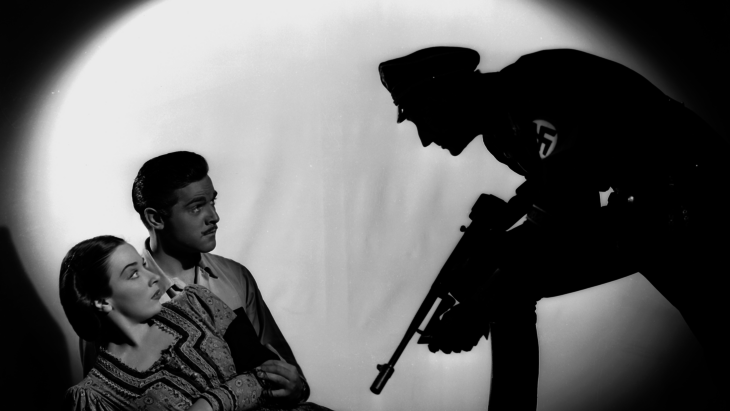
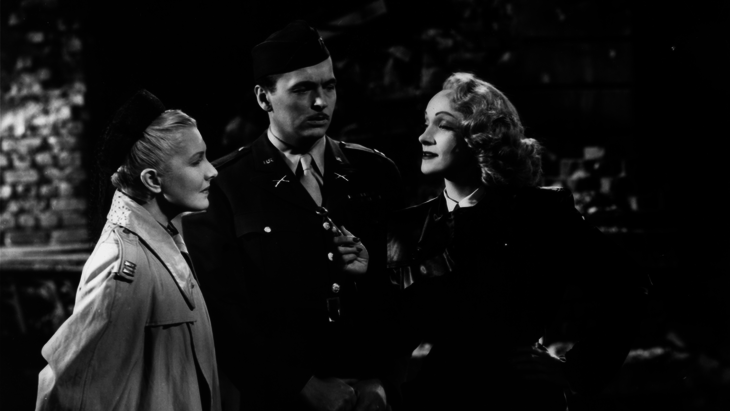
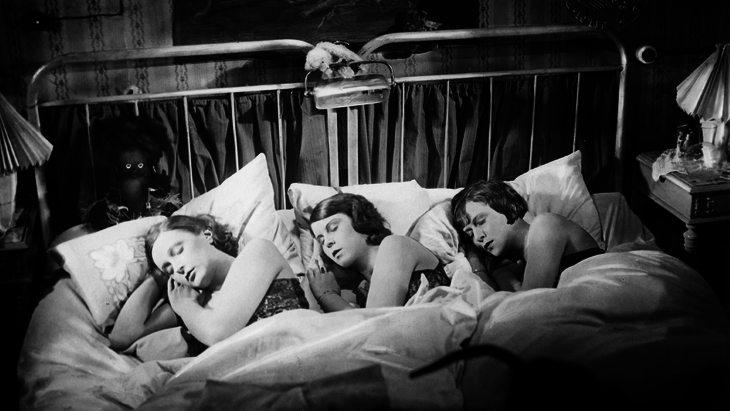
Klapdor's book, which we will present on April 12, 2026, is the starting point for the series Film in Context: Menschen am Sonntag. The series focuses on the biographical connections that arise when looking at the other works of the various artists involved in the film. Where did they pursue similar projects at the time, and where did they later build on their work for Menschen am Sonntag? What film-historical threads can be drawn from Menschen am Sonntag? Film history as the history of a film and its afterlife.