Home Sickness
The New West German “Heimat” Films of the 1970s and 1980s
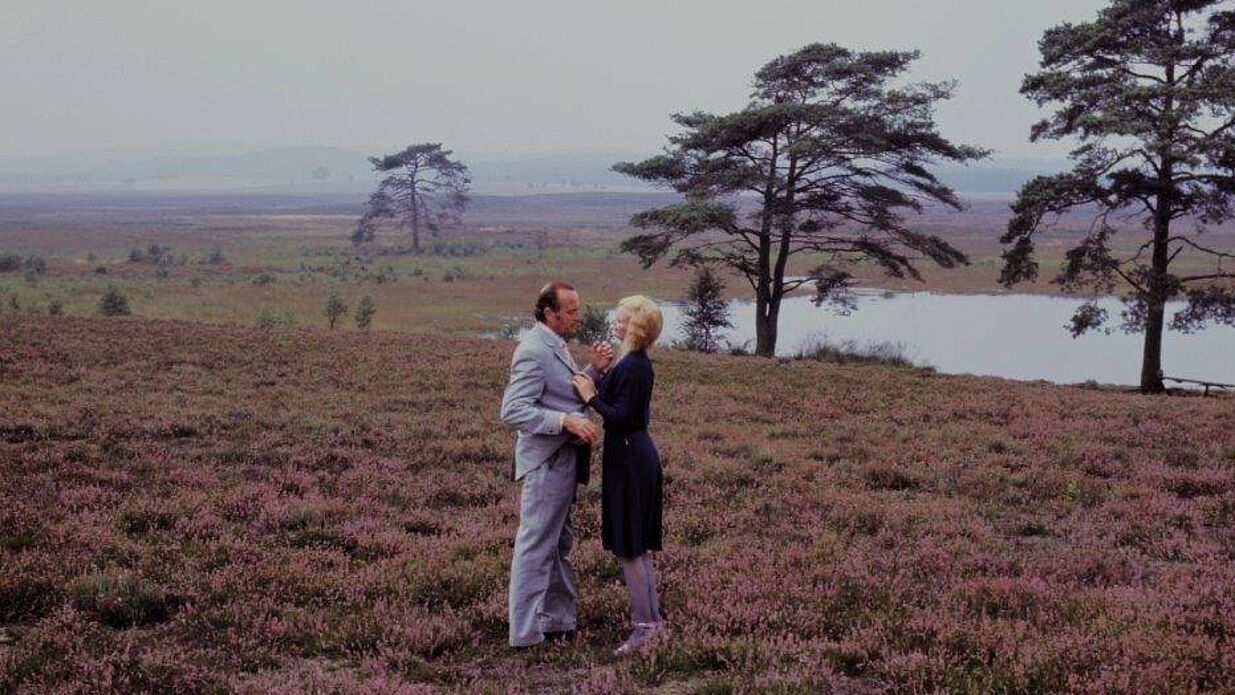
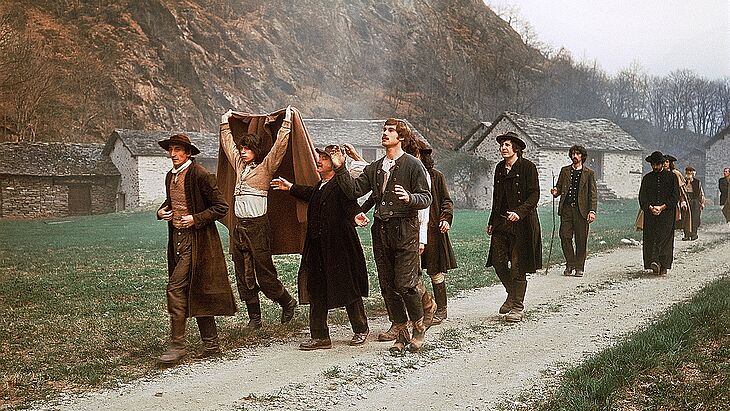
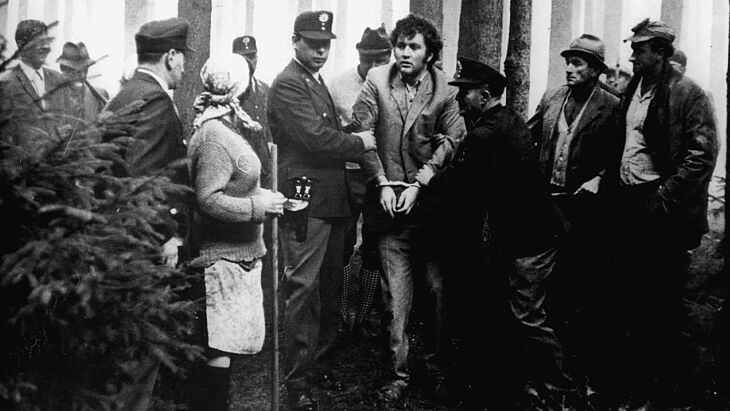
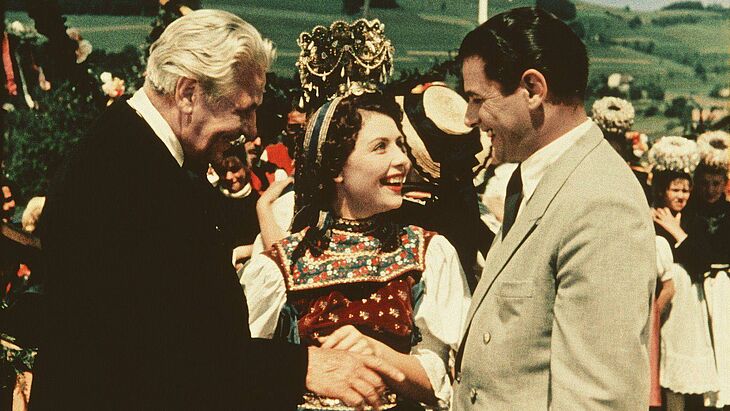
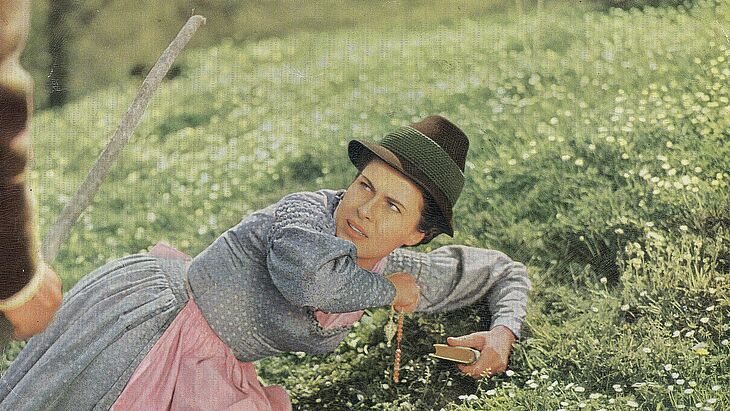
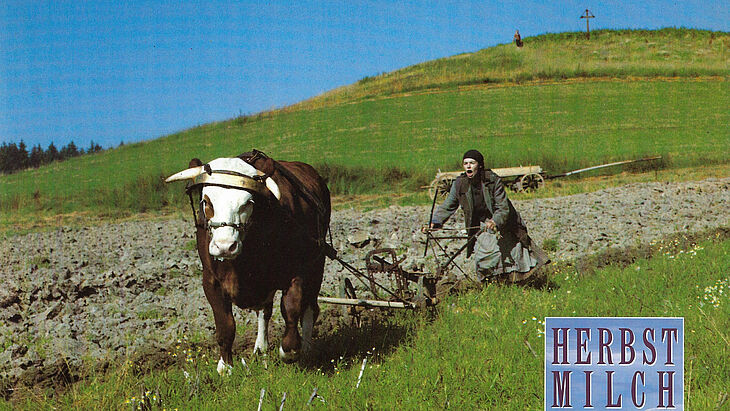
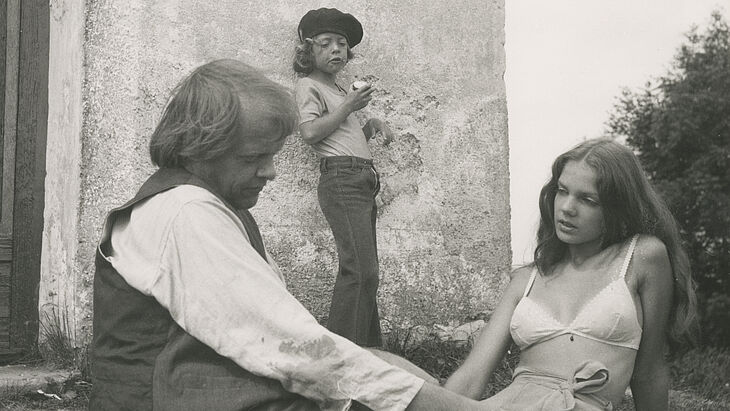
Those declared dead live on. Just when it seemed that the Heimatfilm—the successful genre of postwar West Germany—was becoming a thing of the past amid social upheaval and dwindling audience interest, Heimat themes began to reappear on movie screens in increasing numbers in the early 1970s. This time, however, they did not take the form of dazzlingly colorful entertainment films that offered conflict-ridden yet straightforward stories complete with heartwarming reconciliations and traditional folk songs, all with plenty of visual appeal and a sense of restored order. Instead, the new Heimatfilms began to reflect on the genre’s premises and to question its conventions and myths—in this respect, they were akin to the American Westerns of that era.
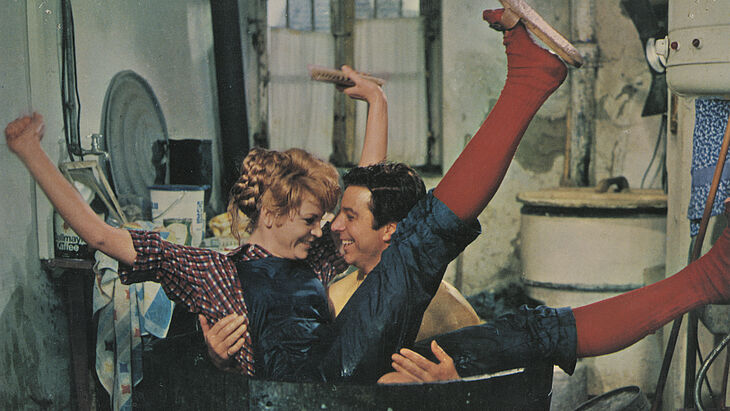
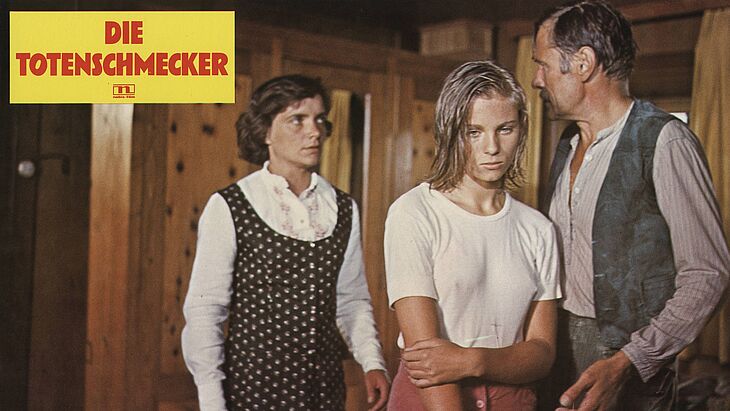
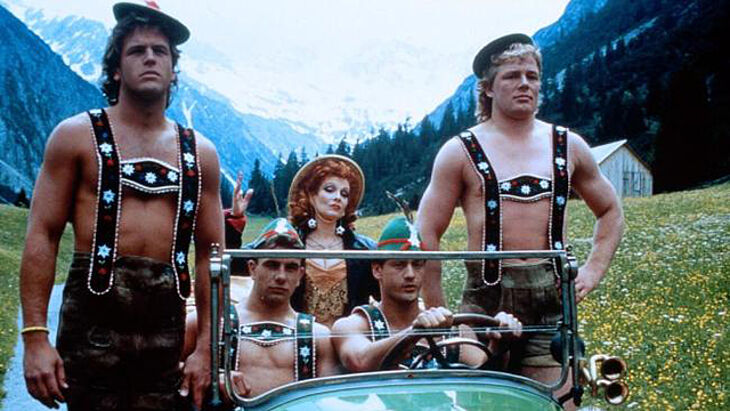
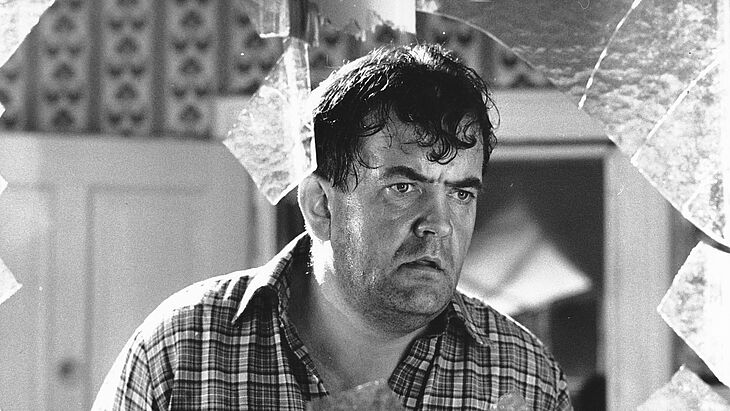
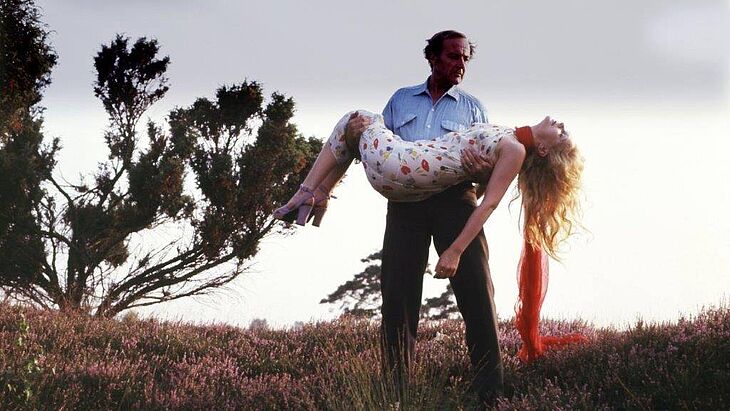
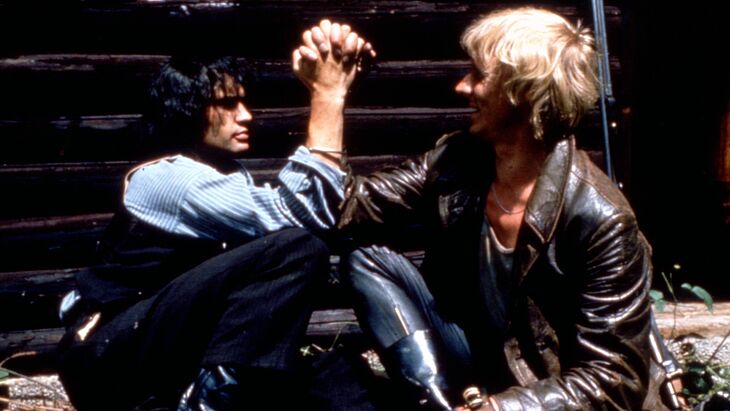
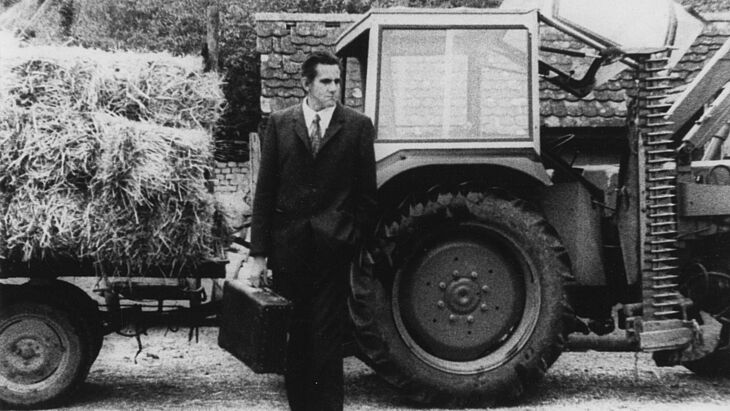
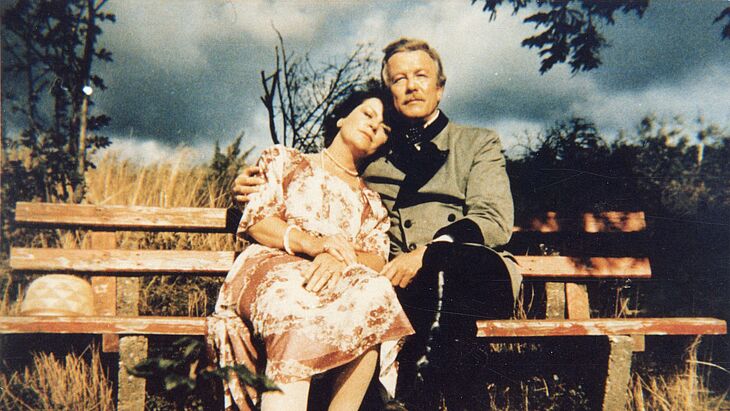
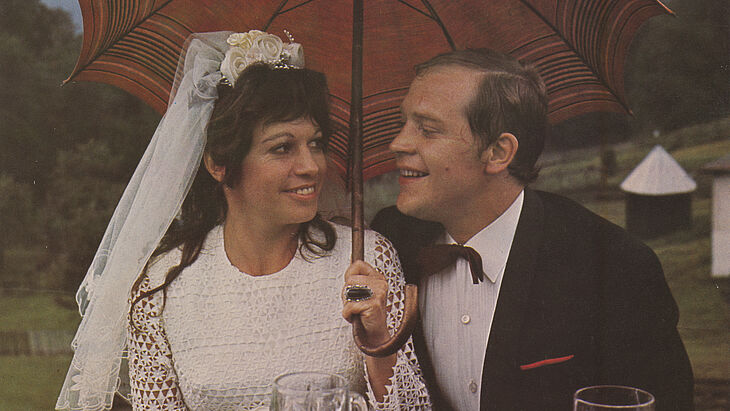
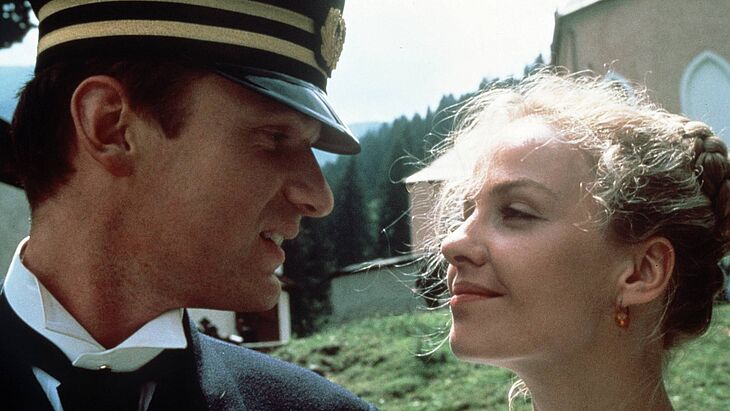
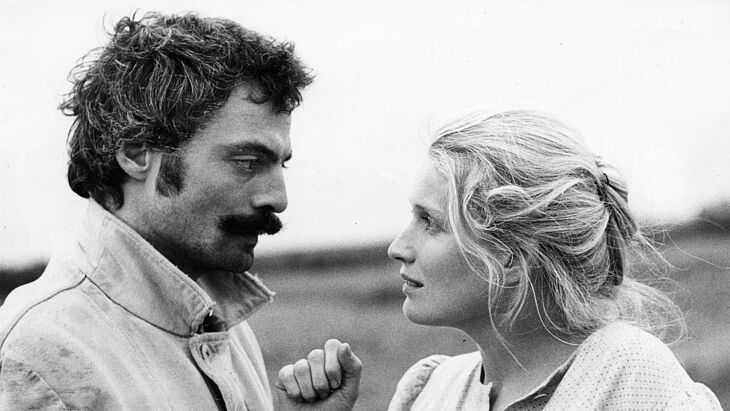
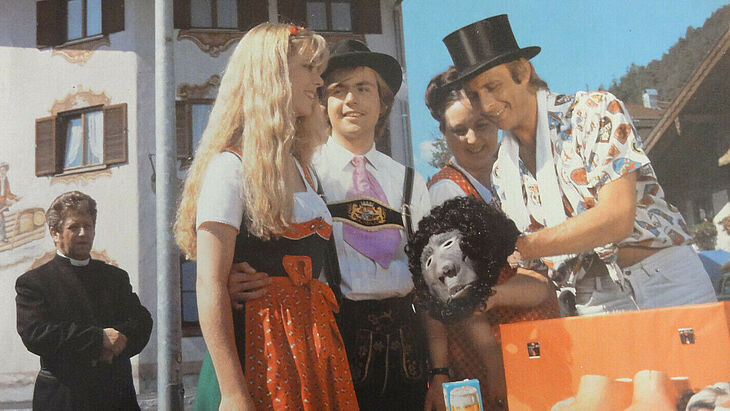
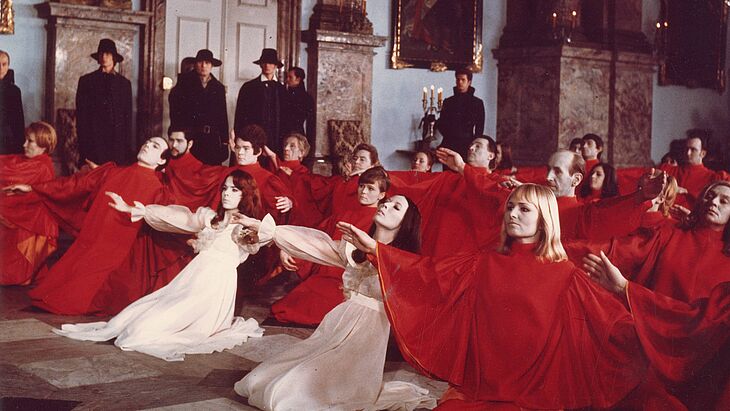
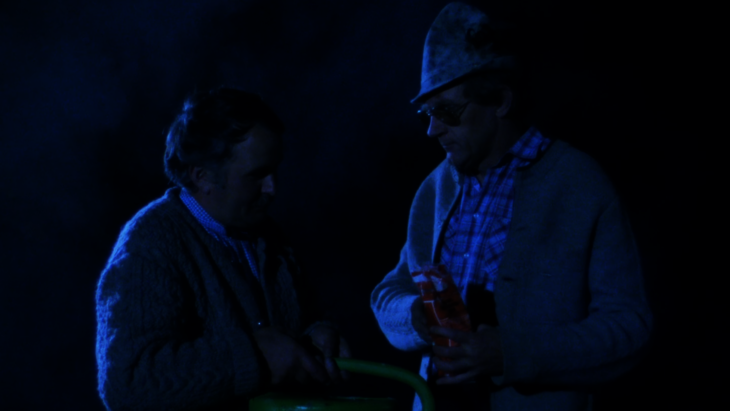
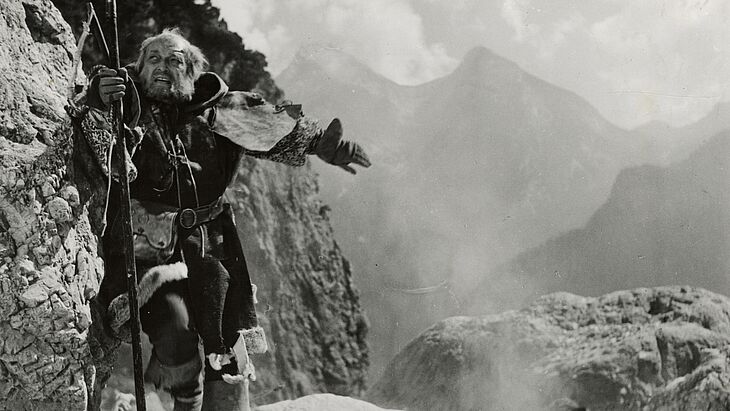
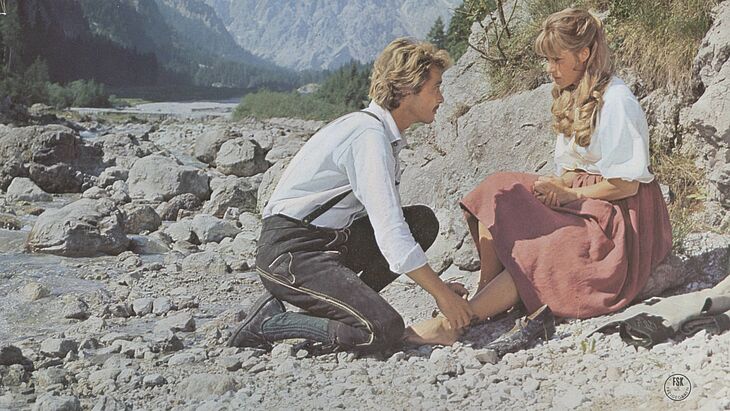
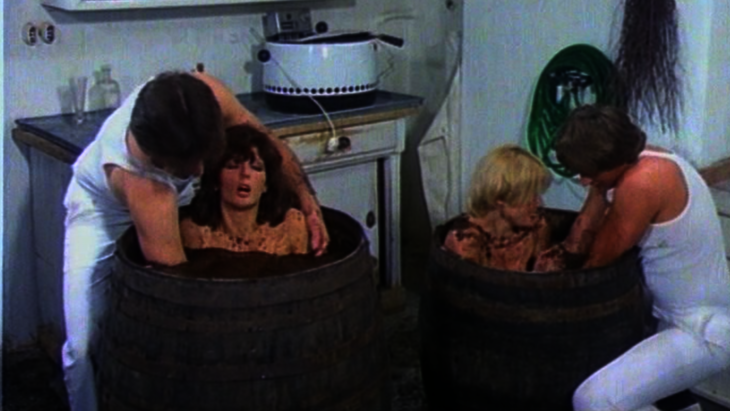
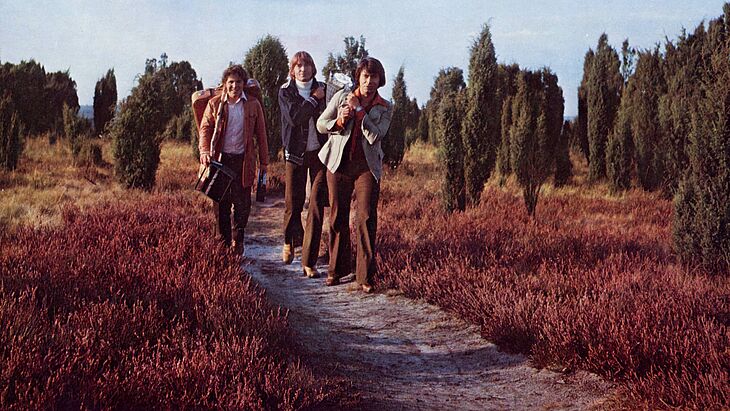
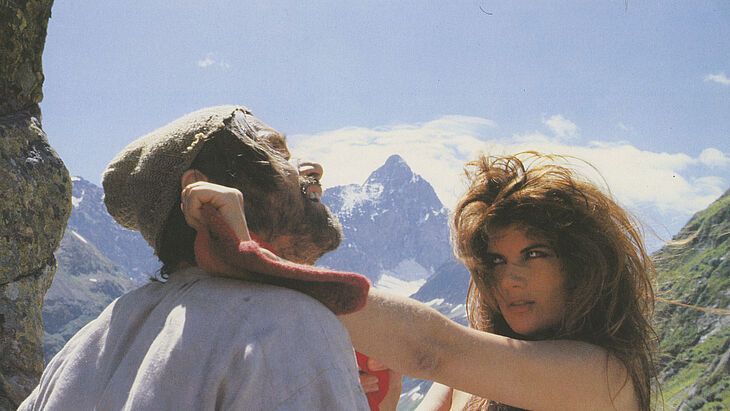
The return of the Heimatfilm in West German cinema encompasses a wide variety of styles. For example, critical Heimatfilms associated with the New German Cinema movement expose the violence that tradition, family ties, community life, and religion can entail. More market-oriented productions, which were more successful at the box office, on the other hand, attempted to continue the stories familiar from “Dad’s movies” and combine them with more modern forms, such as the Spaghetti Western. And finally, even the so-called “Lederhosen films,” which flooded West German theaters in the 1970s in the wake of the sex film craze, draw on Heimat motifs from the 1950s—mostly by satirizing them and creating a series of sexual excesses and slapstick. The series Heim Weh, curated by Tilman Schumacher, presents all these trends in the new Heimatfilm. To illustrate what was the bone of contention for the self-proclaimed innovators, it also includes a few productions from the 1950s. The ambiguous series title *Heim Weh* points to the fundamental tension that arises between, on the one hand, a longing for local and emotional belonging and, on the other, the pain that “home” can cause as a place of exclusion, control, and rigidity—a tension that West German genre and auteur cinema has explored in various ways throughout its eventful history.
With over 30 films—most of which will be screened from color-stable analog film prints—“Heim Weh” invites viewers to revisit the works of renowned auteur filmmakers and rediscover numerous “Heimat” films that have fallen into obscurity, including several that were highly acclaimed in their day. We regret that Herbert Achternbusch’s Heimatdadaism and Rainer Werner Fassbinder’s Wildwechsel are missing from the program; this is due to the current legal situation. The Zeughauskino would like to thank numerous domestic and international archives, as well as private collectors, for their copies—some of which are rare—without which this retrospective would not have been possible in its current form. We would also like to thank Rolf Aurich, Michael Baute, Lukas Foerster, Christoph Huber, Felix Mende, Kamil Moll, and Maja Roth for their valuable insights into films and overlooked aspects of the “new Heimatfilm.”
Tilman Schumacher