Far Away, So Close!
Czech and Slovak Cinema Landscapes
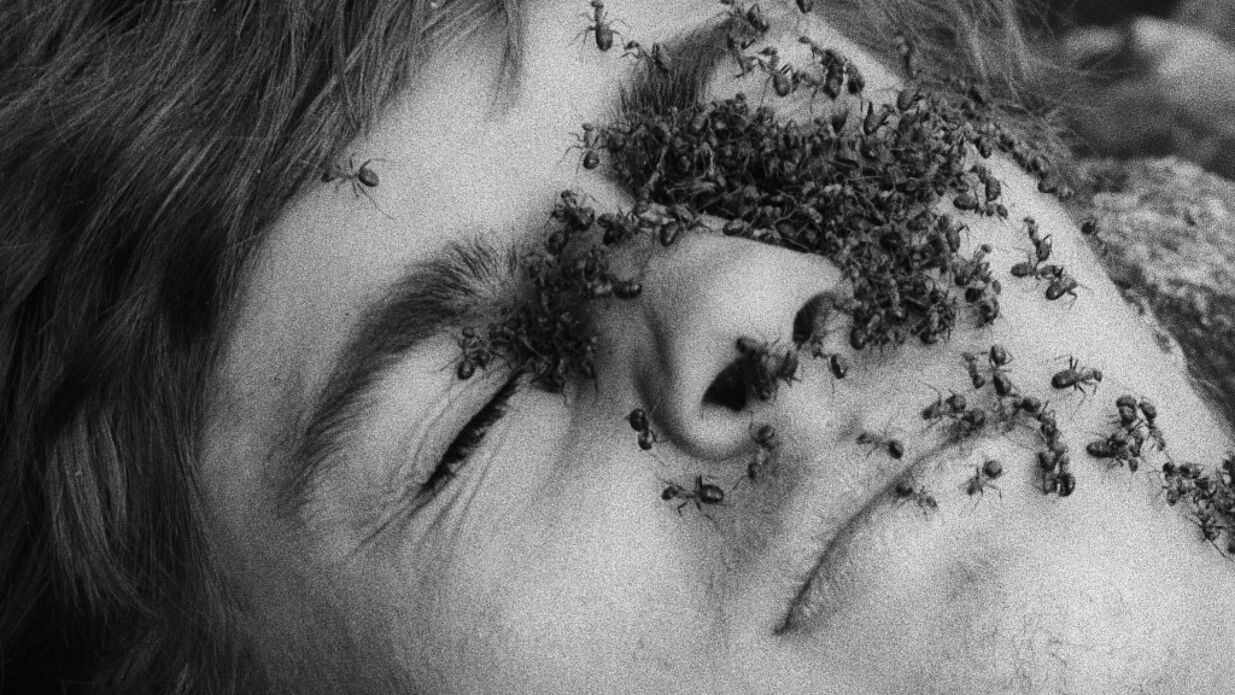
The cinematic traditions of the Czech Republic and Slovakia are among the most influential film cultures in Europe. Yet they remain surprisingly little known in German-speaking countries. Viewed from Berlin, they seem close at hand, yet their aesthetic diversity, long-standing historical experiences, and historical influences on the national character make them seem far removed. The series *In weiter Ferne, so nah!* (So Far Away, Yet So Close!), curated by Ralph Eue, Brigitte Mayr, and Michael Omasta, takes this tension as its starting point and charts new territory that is largely unknown.
Running at the Zeughauskino and Kino Krokodil since early July, the series will present a total of eight programs through the end of the year, showcasing key trends, motifs, and points of rupture in Czech and Slovak cinema—from the first Czechoslovak Republic to the present. The focus is less on establishing a new canon and more on highlighting works that stand out for their distinctive aesthetic sensibility and are thus well-suited to fostering a more complex understanding of the place of film and cinema within a given political and social context.
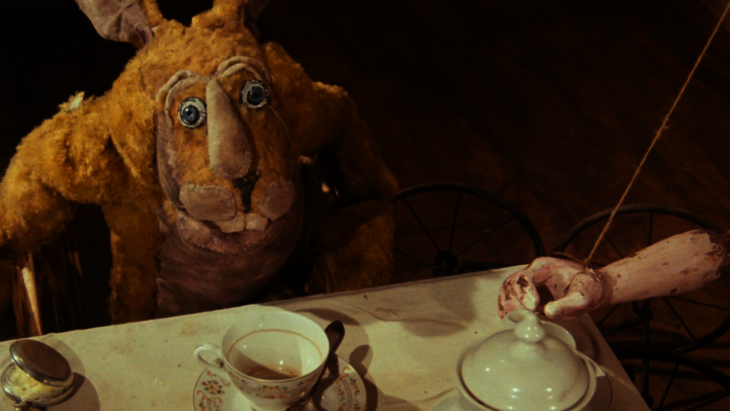
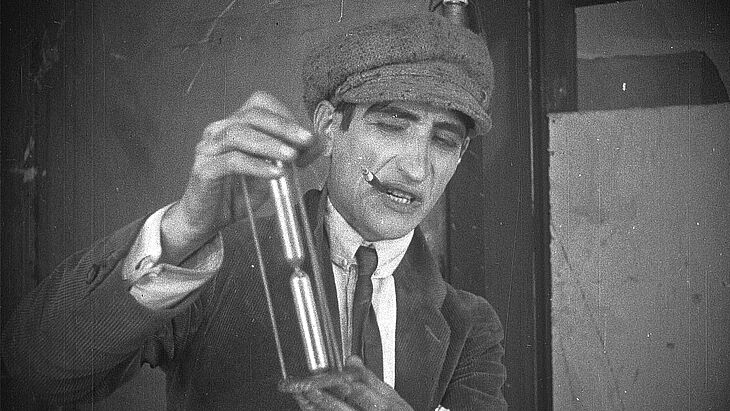
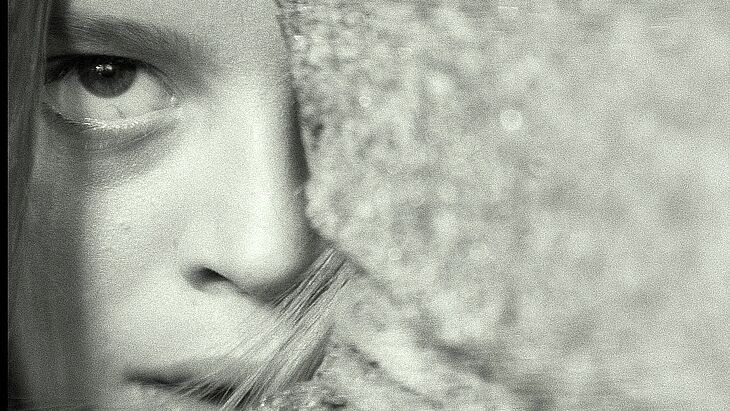
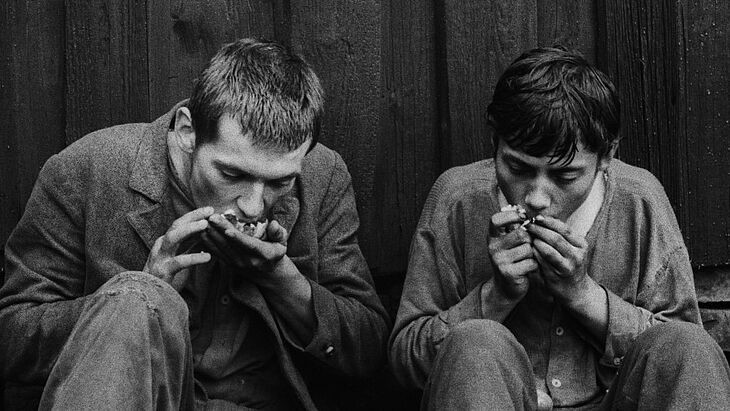
The selected films reflect the political upheavals, everyday experiences, and collective imaginations of their time. They are like echoes and are often full of contradictions and ambivalence. In this way, a cinematic horizon opens up, against which the productive tension between closeness and distance comes into focus anew time and again, and previously overlooked connections between films and countries, themes and styles, eras and schools become visible. Thus, Zerrbilder, Schatten, Truglichter, the fifth program of the retrospective, brings together films from a cinema of transitions in which reality and dreams, facts and fiction merge, while Wer für sich steht, steht nicht allein presents standout works of Czech and Slovak cinema.
This film series, accompanied by a publication to be released in October by SYNEMA (Vienna), was made possible by the Capital City Culture Fund and the German-Czech Future Fund. It was organized in close collaboration with the Národní filmový archiv (Prague) and the Slovenský filmový ústav (Bratislava). Special thanks also go to Linda Söffker and Michael Pekler, the Czech Center in Berlin, and the Slovak Institute in Berlin.
Ralph Eue, Brigitte Mayr, Michael Omasta