Life Paths
Eberhard Fechners 100th Birthday
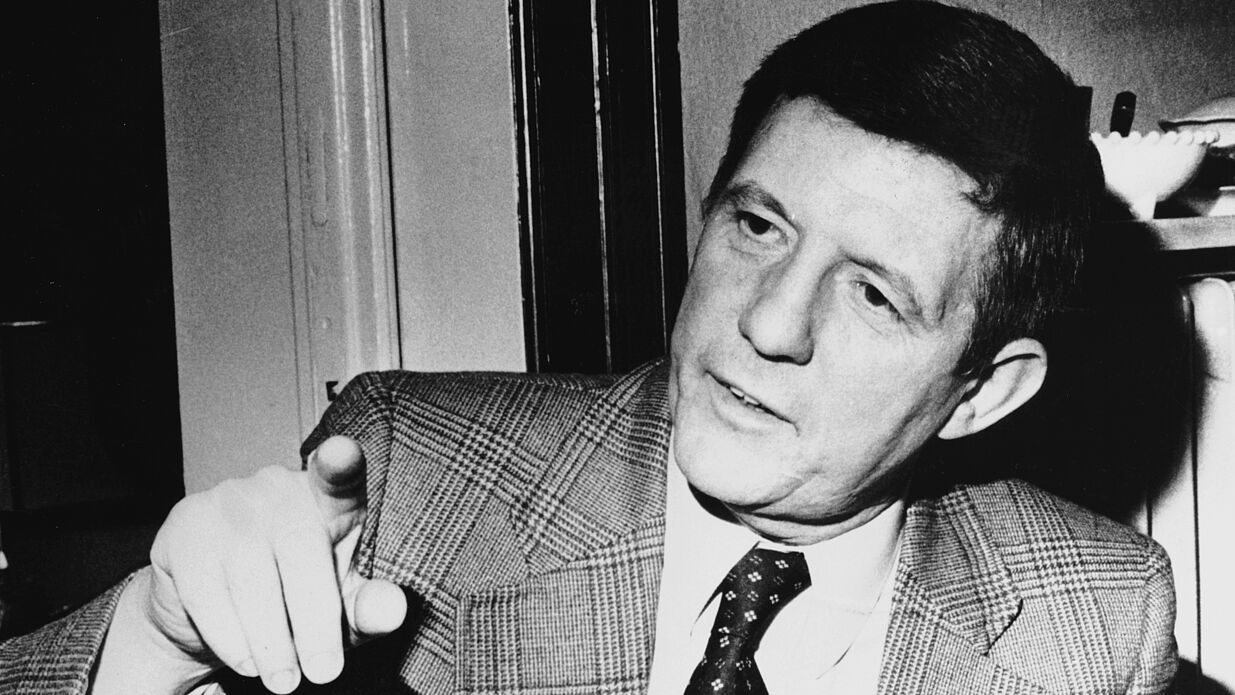
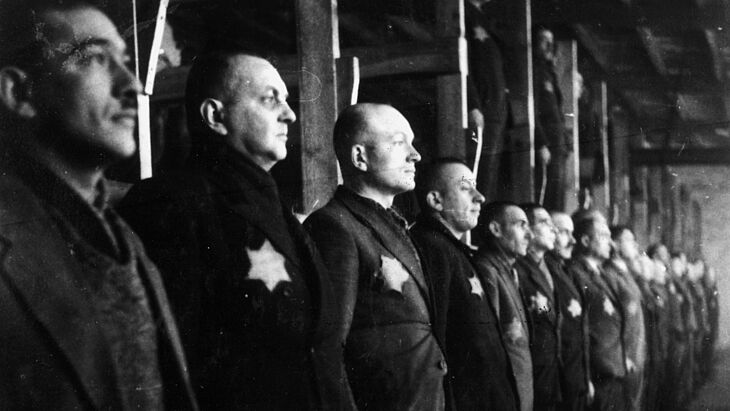
How people—primarily Germans—behaved throughout the tumultuous history of the twentieth century, particularly during the Nazi dictatorship and the Second World War it caused—this was the central theme of Eberhard Fechner’s filmmaking. Partly because he had lived through that era as a child and teenager, Fechner—who was born on October 21, 1926, in Liegnitz, Silesia, and grew up mainly in Berlin—was interested in the dreams, challenges, impositions, decisions, mistakes, and self-deceptions of his contemporaries—and how they remembered all of this.
Originally an actor, Fechner came to film relatively late in his career. After his attempt to produce theater in Germany in the spirit of his role model and mentor Giorgio Strehler had failed, Egon Monk—the head of the television drama department at Norddeutscher Rundfunk (NDR), who was nearly the same age and also hailed from Berlin—offered him the opportunity to assist him and, starting in 1966, to direct.
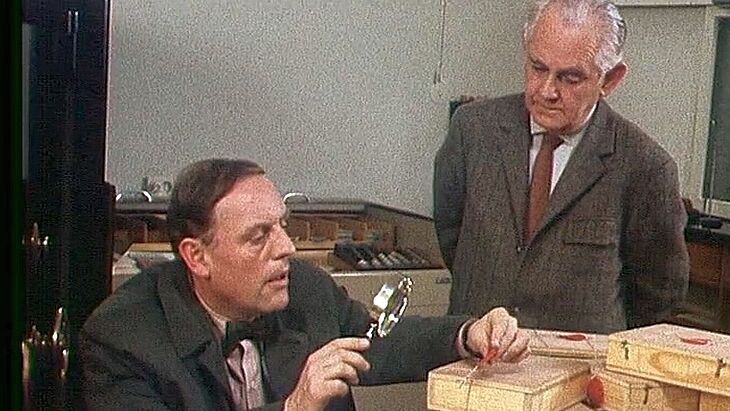
As part of a certain self-stylization, Fechner later dismissed his early television films—for which he usually wrote the screenplays himself—as irrelevant jobs done to make ends meet. Yet these films already exhibit many thematic, stylistic, and personal connections and references to his better-known works, above all his interest in “ordinary people,” their everyday lives, and their attempts to improve their circumstances.
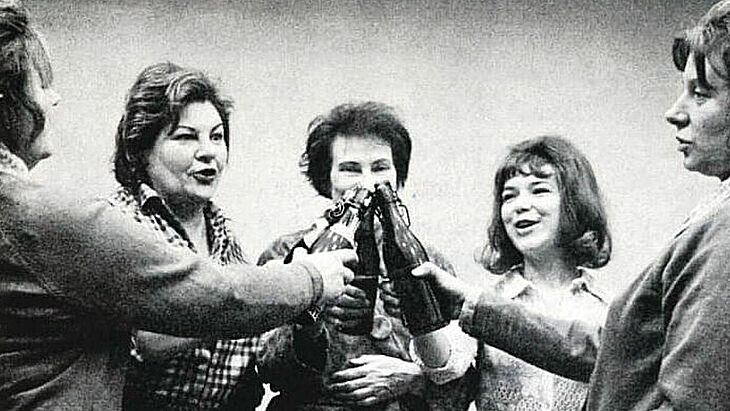
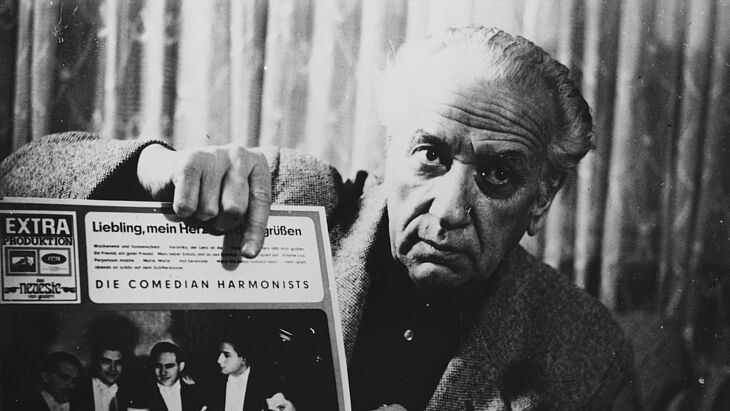
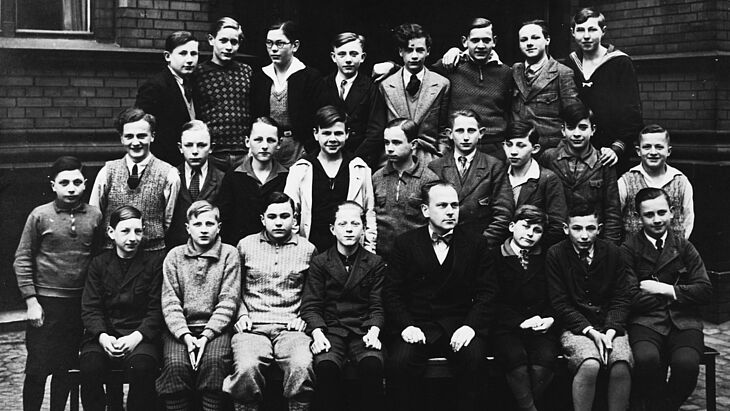
More important than Fechner’s adaptations of Kempowski’s Tadellöser & Wolff and Ein Kapitel für sich were his documentary works. With Nachrede auf Klara Heydebreck—a posthumous portrait of an unassuming Berlin woman—he caused a sensation in 1969 and won his first Adolf Grimme Prize. His approach in films such as Klassenphoto – Erinnerungen deutscher Bürger—to show history “from below,” as ordinary people experienced it but also helped shape it—was innovative in the 1970s. Fechner’s signature method involved conducting hours-long interviews with eyewitnesses and combining and contrasting these interviews—without verbal commentary—in a way that was both vivid and illuminating.
Between the late 1960s and the early 1980s—the peak of Fechner’s career as a filmmaker—the few West German television channels not only had an enormous reach and a strong influence on social discourse in the Federal Republic, but the public broadcasters also took their cultural and educational mandate very seriously. Amid the general social upheaval of the time—which included a certain willingness to experiment—Fechner was able to create films lasting several hours that, given their formal rigor and their appeal to the intellectual engagement of viewers, would be almost inconceivable today.
Once celebrated as one of Germany’s most important television directors, Fechner—who passed away on August 7, 1992—is now in danger of being forgotten, especially since television shows little interest in its own history and Fechner’s once-acclaimed works are rarely seen anymore. To mark the 100th anniversary of his birth, the Zeughauskino and the Deutsche Kinemathek—whose television collection was established in part thanks to an initiative by Eberhard Fechner—are therefore inviting the public to rediscover and explore Fechner’s body of work anew.
Admission to all events in the retrospective is free. Free tickets are available now at the theater box office.
Jan Gympel