Monuments and the Public
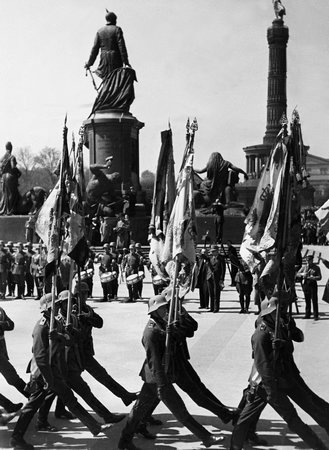
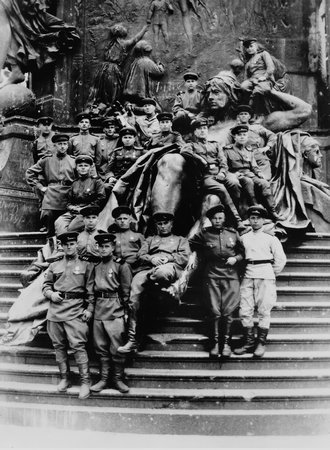
Monuments stand in the middle of squares and along streets. They are visible from afar and attract attention. In this way they are in the forefront of social activity, are places of public celebrations, gatherings, events and demonstrations, and can become the focal point of conflicts. Begas’ monuments in the centre of the Berlin metropolis were the site of flag consecrations, sports events, protest rallies, black markets, election campaigns, served as machinegun nests, provided lasting memories in the form of photographs, mementos and souvenirs. They were at the hub of current affairs and the formation of collective memories. As symbols and landmarks they shaped the image of the cities, making them recognizable and giving them a historical profile. Characteristic for Berlin is the shifting of monuments from place to place or their disappearance altogether – depending on the prevailing political sentiment of the moment. They are removed from their original locations and banished to the periphery to eradicate them from public awareness and memory.