
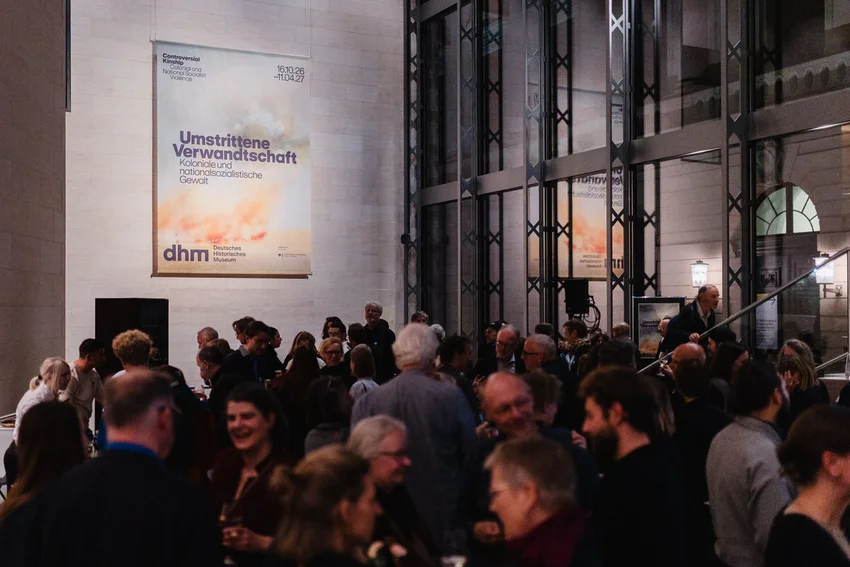
Recap: the opening of the exhibition "Controversial Kinship. Colonial and National Socialist Violence"
20 October 2026
EditorsControversial Kinship
9 October 2026 6 Min.
Debates about the similarities and differences between colonial violence and Nazi rule have carried on since the 1930s and continue to the present day. Rooted in the fields of history, the social sciences, and cultural studies, these debates shape political discourse, media coverage, art, and the cultures of remembrance. The discussion focuses on questions of continuity, discontinuity, and comparability.
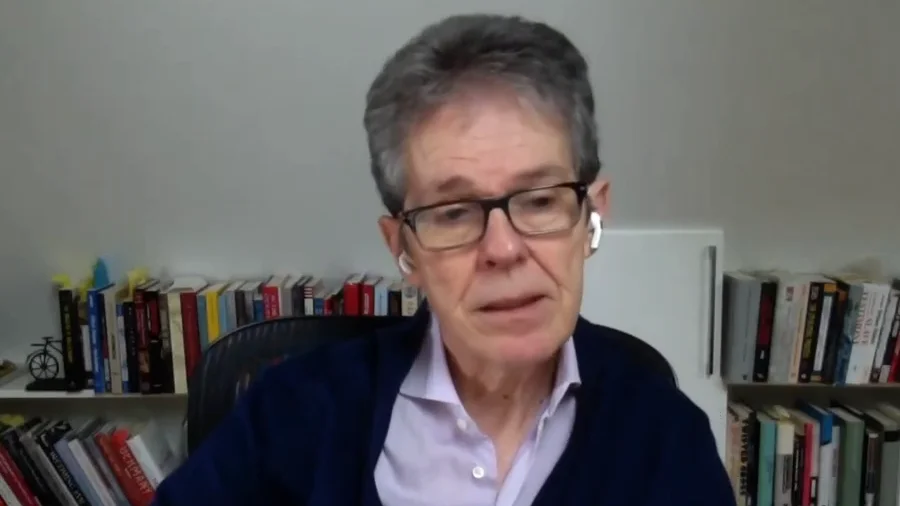
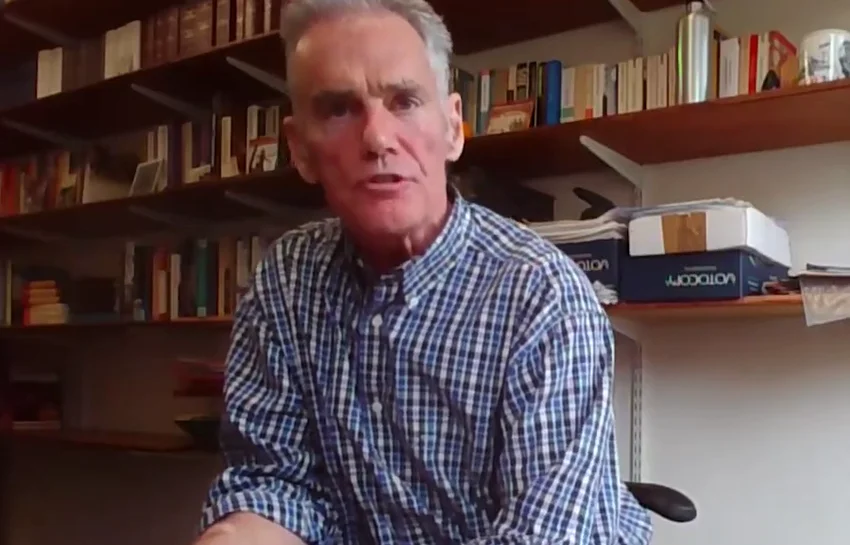
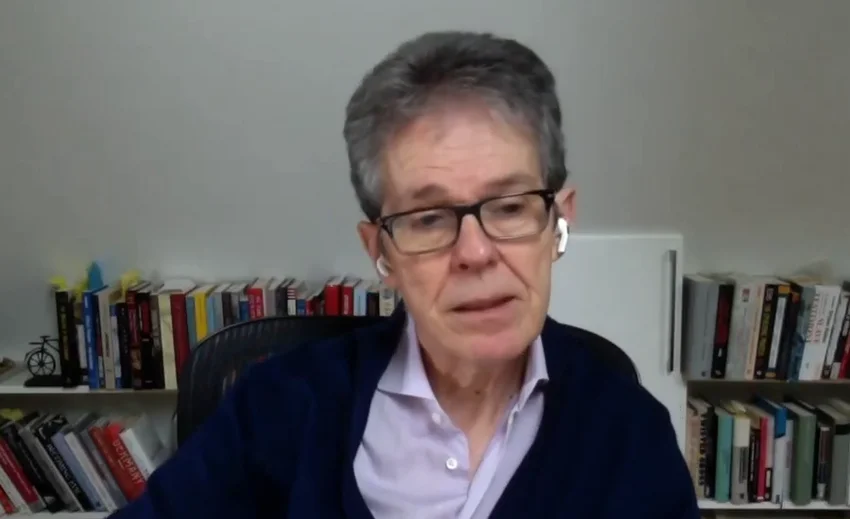
The interviews with experts as part of the exhibition “Controversial Kinship. Colonial and National Socialist Violence” present a range of perspectives and positions in the debate. Historian Mark Roseman, Indiana University in Bloomington, talks about racism and anti-Semitism in a video interview:
“I think it’s absolutely right that notions of difference of quality in human stock and the idea of – that there is a sort of white civilisation that is threatened by different kinds of inferiors, who in different ways are intruders, or potential intruders, or could lower the quality of the race, clearly is something that links both anti-Black racism and anti-Semitism. […] I would want to make some distinctions, but not on the grounds of who suffers more. I mean, one of the things that I think is so distinctive about anti-Semitism in the interwar period, when there really is a remarkable global panic about Jews — after, or beginning already in the First World War, but particularly in the wake of the Russian Revolution and the collapse of the continental empires at the end of the war — is the way in which Jews are understood as a global conspiracy.”
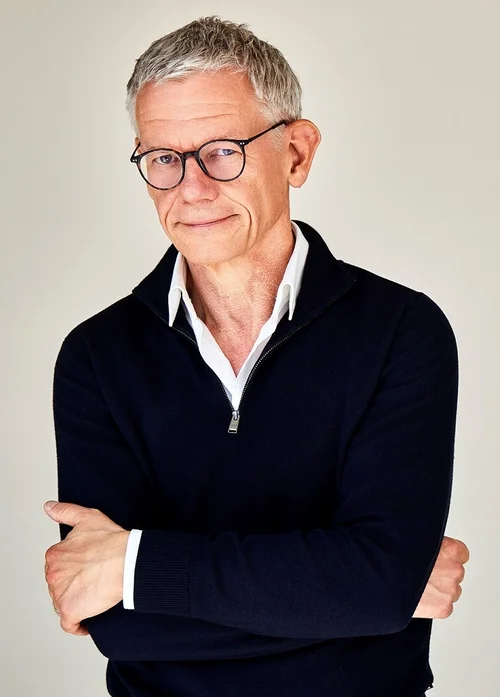
Dr. Stephan Malinowski is the curator of the exhibition “Controversial Kinship. Colonial and National Socialist Violence” at the Deutsches Historisches Museum.
Mark Roseman is a historian at the Indiana University in Bloomington.
20 October 2026
EditorsControversial Kinship
9 October 2026
8 Min.Controversial Kinship
9 October 2026
7 Min.Controversial Kinship
9 October 2026
8 Min.Controversial Kinship
9 October 2026
6 Min.Controversial Kinship
9 October 2026
8 Min.Controversial Kinship
9 October 2026
6 Min.Controversial Kinship
9 October 2026
6 Min.Controversial Kinship
9 October 2026
6 Min.Controversial Kinship
9 October 2026
8 Min.Controversial Kinship