
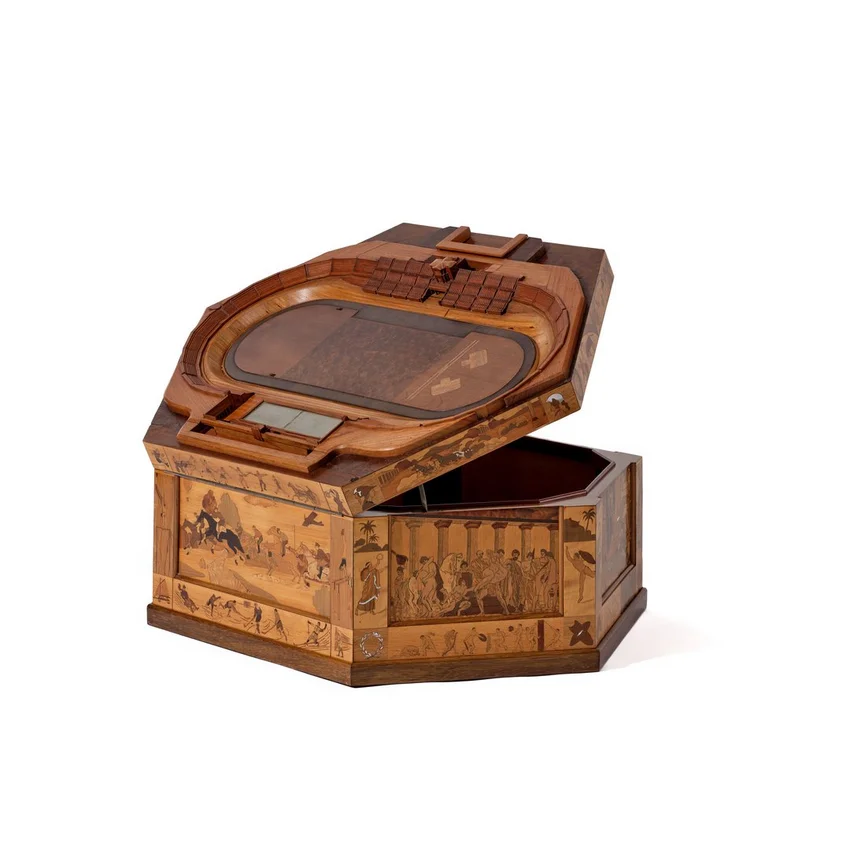
What’s that for? A Wooden Chest with a Stadium on Top
9 September 2026
Simon SachaObjects. History. Stories.
8 April 2026 Reading duration 5 Min.
During the formative years of the Museum für Deutsche Geschichte (MfDG), founded in 1950 as the GDR’s national history museum (the MfDG’s collections were transferred to the Deutsches Historisches Museum in 1990), the East German history museum was an active participant in the West German and West Berlin art markets. Christopher Jütte, research associate for provenance research at the Deutsches Historisches Museum (DHM), examines these MfDG acquisitions in this article.
The MfDG acquired around 900 objects at West German auction houses, the majority of them – over 500 items – at the Gerd Rosen Gallery in West Berlin. But the museum also purchased exhibition pieces at Hauswedell in Hamburg, Karl & Faber in Munich, J.A. Stargardt in Marburg, and Lempertz in Cologne, the vast majority of them between 1953 and 1960.
In order to participate in auctions in the Federal Republic of Germany, the MfDG was dependent on the allocation of foreign currency by its superordinate institution, the State Secretariat for Higher Education (SfH). Freely convertible foreign currency was already scarce in the early days of the GDR, meaning that the museum constantly had to strive to secure it. Applying for foreign currency involved a lengthy bureaucratic process: the museum requested the funds from the SfH, which then applied for the foreign currency from the German Domestic and Foreign Trade (DIA) Cultural Goods, a foreign trade enterprise of the GDR, and finally the Ministry of the Interior (MdI) had to give its approval.
This cumbersome process meant that the MfDG was unable to participate in some auctions in the Federal Republic, as the foreign currency, if granted at all, was only released shortly before the auction began.
The amounts of foreign currency made available to the MfDG, which during the period described here were always applied for in marks of the Bank Deutscher Länder (BDL) – that is, German marks of the Federal Republic – fluctuated. In November 1952, the deputy director of the MfDG, Eduard Ullmann (1919–2000), wrote a letter to the then State Secretary for Higher Education, Gerhard Harig (1902–1966), requesting foreign exchange for the MfDG. Ullmann requested “quickly accessible sums of West German marks” amounting to between 500,000 and 1,000,000 marks, to be made available via a special account. Ultimately, the museum was allocated a lump sum of 50,000 West German marks for 1953 – a sum that should not be underestimated for the time – for acquisitions on the West German art market. In 1954, the MfDG no longer received a lump sum, but had to apply in advance for each purchase individually, which further prolonged the acquisition process. Among other things, this situation led the museum to approach the then Minister President of the GDR, Otto Grotewohl (1894–1964), in July 1954, and ask him for support in acquiring objects in West Germany. In this letter, the importance of the West German art market for developing the collection was also emphasised: “If the Museum für Deutsche Geschichte is to become a truly national cultural institution, it must also be given the opportunity to expand its museum holdings. The collection in the GDR is subject to certain limitations.”
For the year 1955, the SfH did not approve any foreign currency funds at all. It was not until 1956 that the MfDG was again provided with an acquisition budget, this time amounting to 30,000 BDL marks.
The MfDG used this budget, among other things, to purchase works of art at auctions held by the Galerie Gerd Rosen in May and November 1956 (Fig. 1). The antiquarian Gerd Rosen (1903–1961), a controversial figure in the West Berlin art trade, already opened his eponymous gallery in 1945. While Rosen initially presented exhibitions on topics including classical modernism, from the 1950s on he increasingly concentrated on the art and antiquarian trade. The MfDG was particularly keen to purchase items at Galerie Rosen’s auctions and did so frequently. A few Galerie Rosen auction catalogues are preserved in the DHM library; these were meticulously examined by MfDG staff and extensively annotated. They provide insights into the price the museum was prepared to pay, as well as the prioritisation of sought-after items.
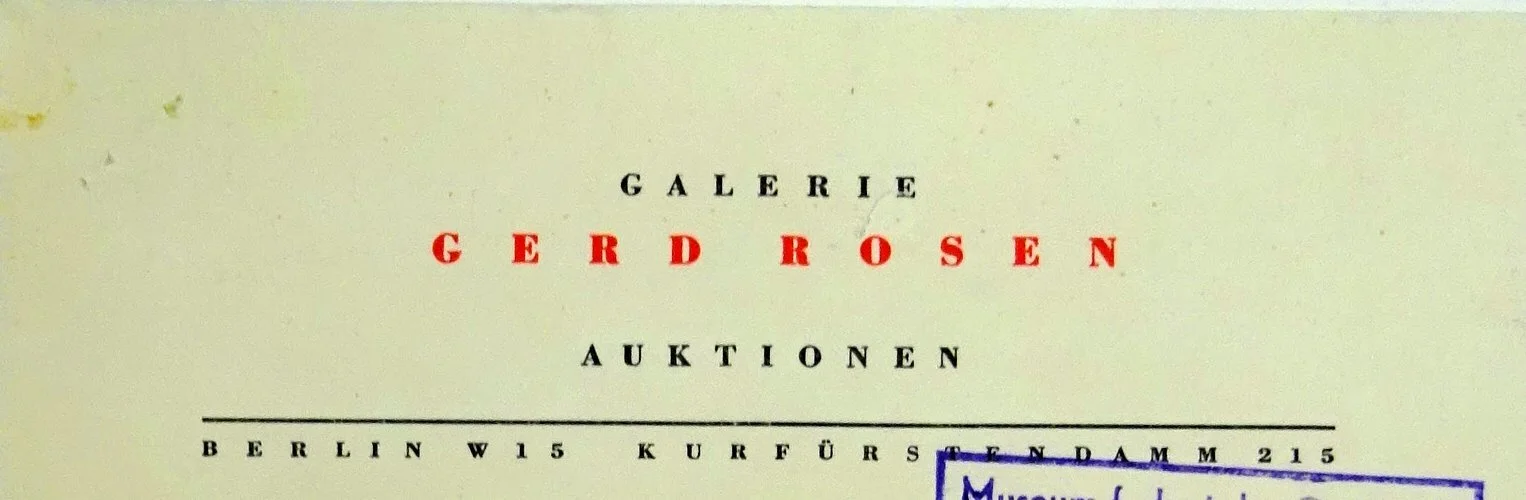
Fig. 1 Letterhead of the Gerd Rosen Gallery from 1960, letter from the Gerd Rosen Gallery to the MfDG dated 28 December 1960, DHM-HArch MfDG/Rot/054, unpaginated
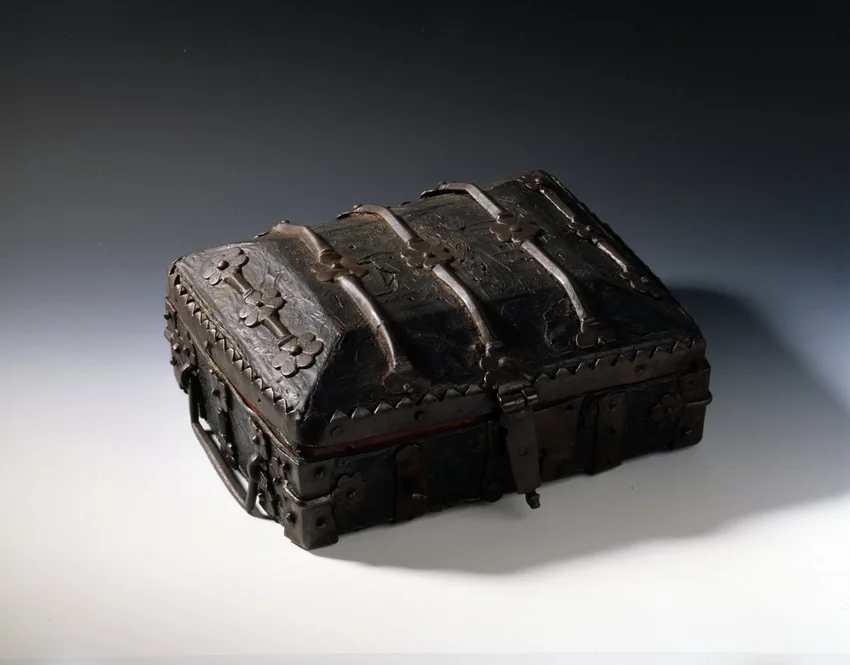
Two examples from the 26th auction held by Gerd Rosen between 5 and 9 May 1956 illustrate this point. Valuable books, autographs and art were auctioned off. Among other items, the MfDG had set its sights on a small Gothic case. (Figs. 2 + 3) The auction catalogue shows an illustration and description of the box under lot number 3655. In the margin are handwritten notes from the MfDG: apparently, the plan was to spend around 450 Deutschmarks on the box. The two plus signs probably represent a priority marker: one plus signifies low priority, three pluses high priority. The two plus signs therefore indicate medium priority. The MfDG ultimately acquired the Gothic case for 880 Deutschmarks. Whether this price already includes the buyer’s premium is not clear from the museum’s documentation.
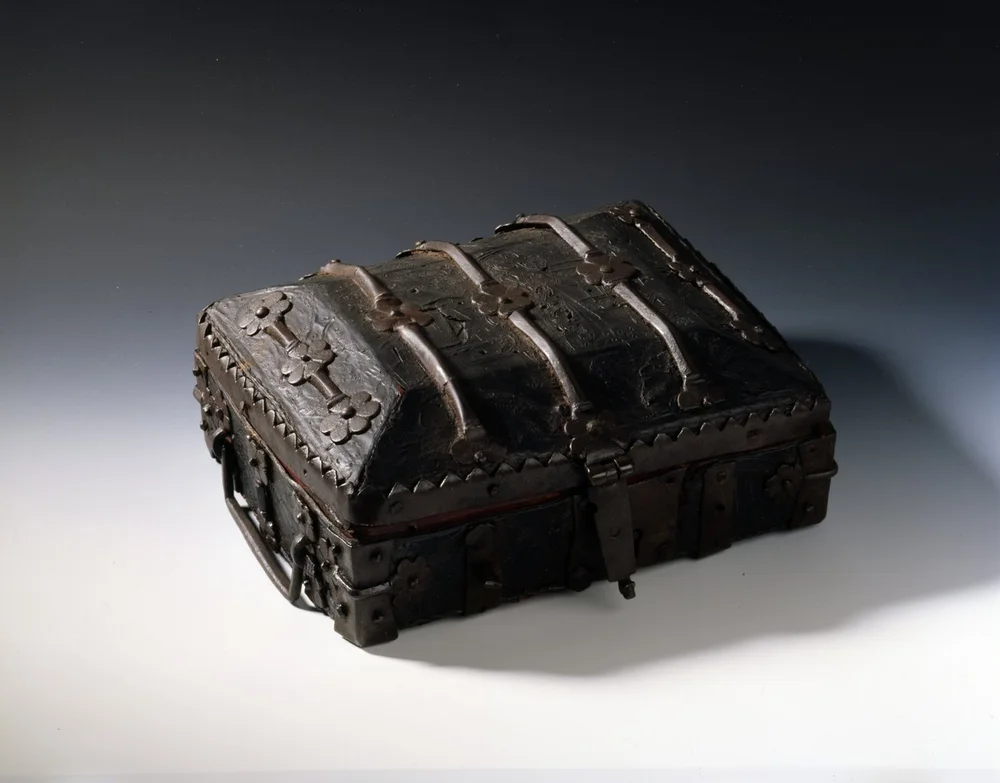
Fig. 2 Gothic casket, 1401–1500, 9 x 6 x 13 cm; iron, wood, leather; embossed, carved; inventory number: K 58/150. Photo: DHM.
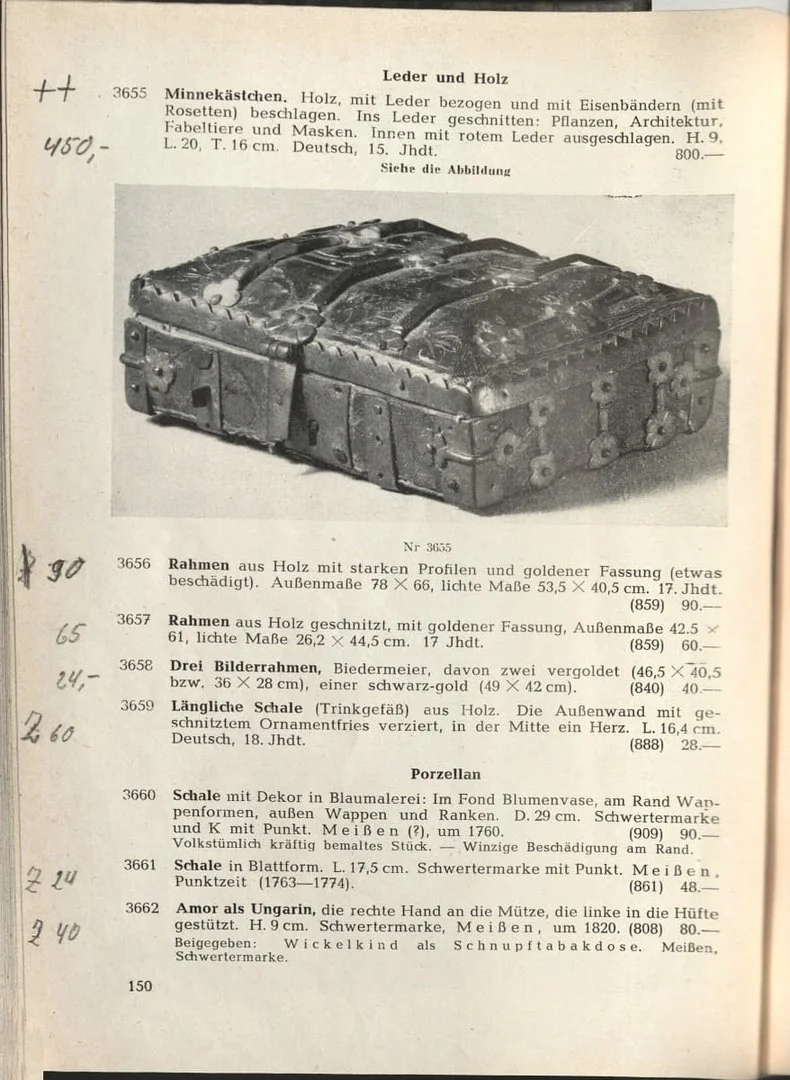
Fig. 3 Entry for the Gothic box, referred to here as a ‘Minnekästchen’, in the catalogue for the 26th auction held by Gerd Rosen in 1956, lot number 3655. Photo: DHM.
Another example from the same auction is a medieval processional cross offered under lot number 3650. (Figs. 4 + 5) This, too, was acquired by the MfDG, albeit in the post-auction sale for a total price of 2,760 Deutschmarks, including a 15% buyer’s premium. The price was therefore below the auction house’s valuation of 3,000 Deutschmarks, but above the actual asking price of 2,000 Deutschmarks, as indicated by the note in the margin of the catalogue page.
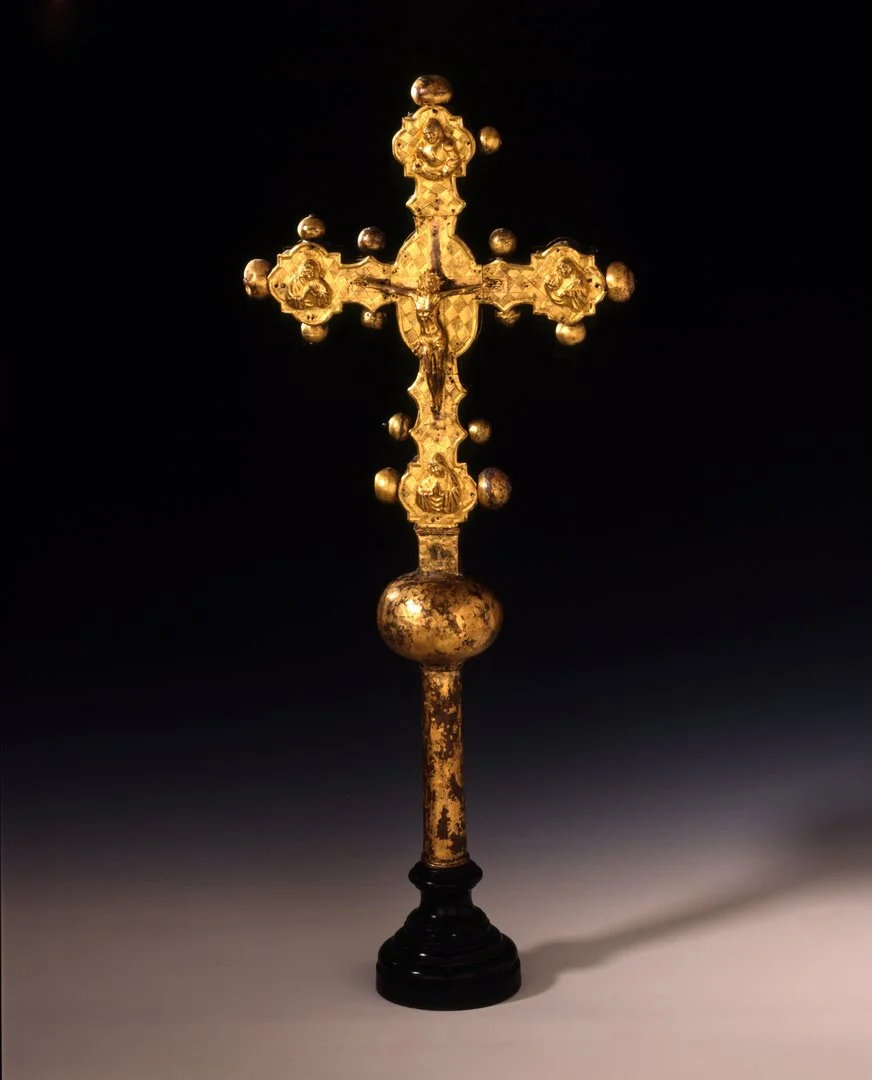
Fig. 4 Processional cross, Northern Italy, 1446/1455, lacquer (black), wood, copper, bronze, fire-gilded, lacquered, turned, riveted, inventory number: K 56/125. Photo: DHM.
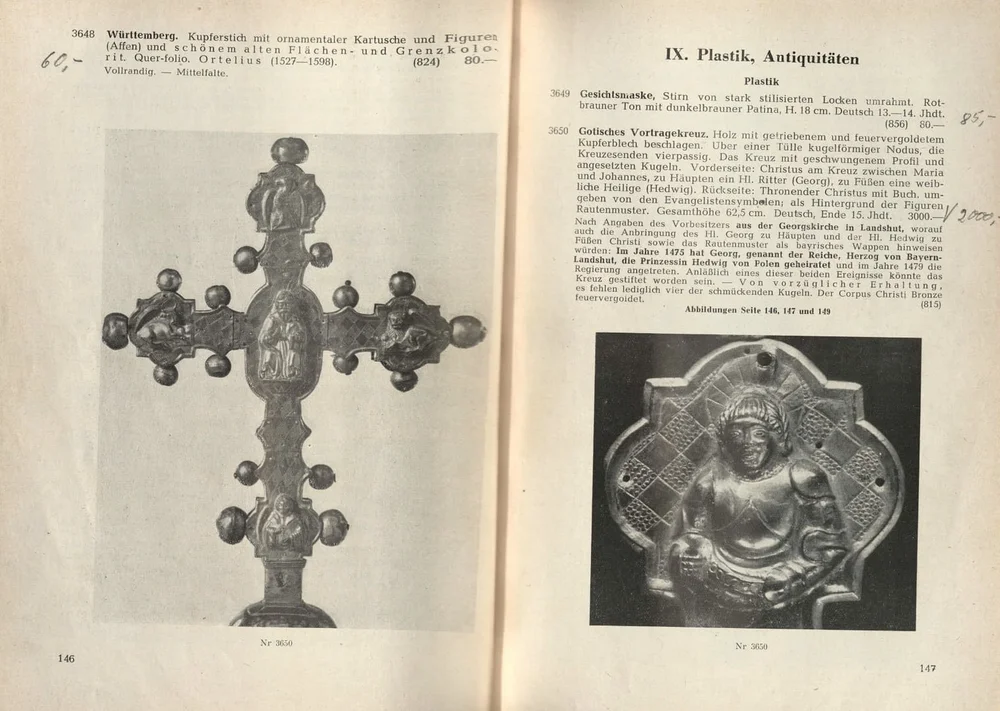
Fig. 5 Entry for the ‘Vortragekreuz’ in the catalogue for the 26th auction held by Gerd Rosen in 1956, lot number 3650. Photo: DHM.
The process of applying for foreign currency in the run-up to auctions in the Federal Republic of Germany can be traced in the example of the 448th auction held at the Math. Lempertz art auction house in Cologne between 21 and 25 November 1957. In November 1957, the MfDG, represented by its deputy director Eduard Ullmann, applied to the State Secretariat for approval of 13,700 DM BDL. This was to be used to purchase various items at auctions held by Rosen and Lempertz, including a chasuble. (Figs. 6–8) The applications submitted in advance by the MfDG varied in the amount of detail. Some listed each desired item by lot number, while in other cases only general categories of items were mentioned. Rolf Kiau (1927–?), then director of the MfDG’s Collections Department, was authorised to receive the requested foreign currency; he was also present at the auction in Cologne alongside Eduard Ullmann. The equivalent value of the requested foreign currency was subsequently to be debited from the museum’s account in East German marks.
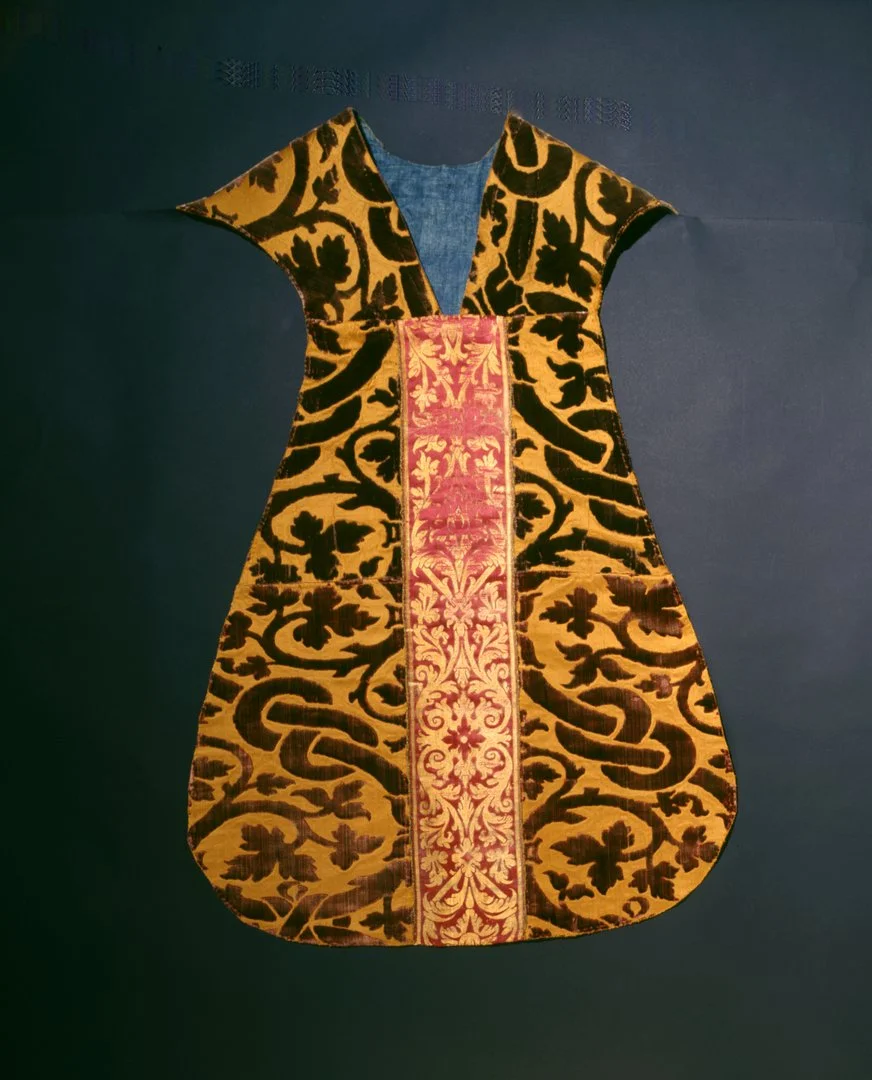
Fig. 6 Chasuble, Italy, 1501/1600, 110 x 70 cm, silk (brown), silk (gold), velvet, satin weave, inventory number: K 57/246. Photo: DHM.
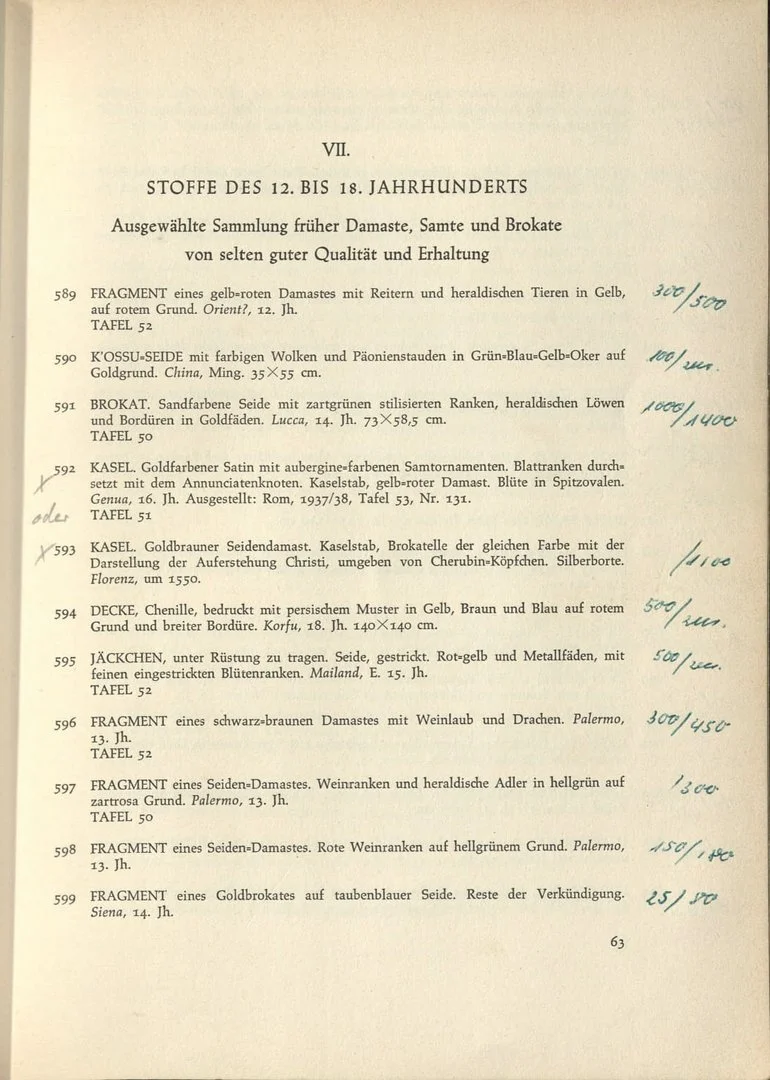
Fig. 7 Entry for the chasuble in the catalogue for the 448th auction at Math. Lempertz in Cologne in 1957, lot number 592. Photo: DHM.
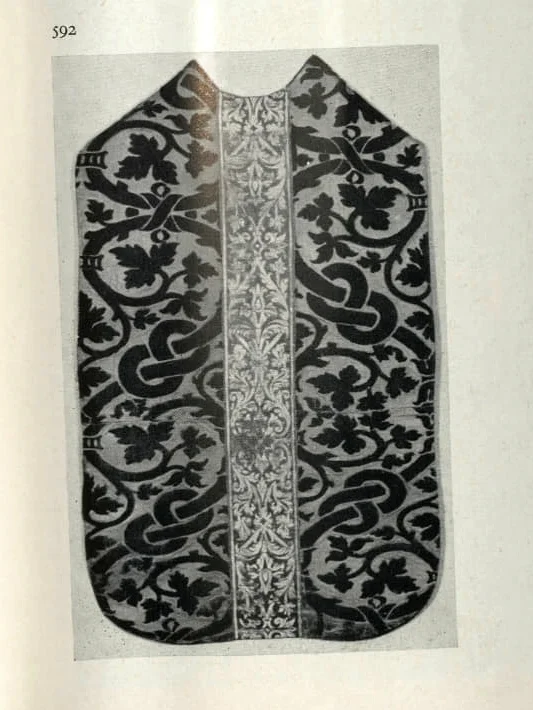
Fig. 8 Illustration of the chasuble in the auction catalogue for the 448th auction at Math. Lempertz in Cologne in 1957, lot number 592, plate 51.
An annotated catalogue from the MfDG has also survived for this auction. As with the previously mentioned copy from Galerie Rosen, the Lempertz catalogue was also worked through by MfDG staff members and marked with price ranges in the margins. The marginal note on the chasuble acquired by the MfDG with lot number 592 is not clearly legible, but could be read as “2100”. In this case, the purchase price of 2,200 West German marks plus a 15% commission, which the MfDG paid, would be only slightly higher.
In summary, it can be said that during its formative phase in the 1950s, the MfDG was active on the West German art market. To this end, the institution regularly received foreign currency funds, even though it was always difficult to procure them. At the same time, those in charge at the museum recognised the need to build up the collections with objects from the West in order to become a “national cultural institution”.
These purchases from the West German art trade are also relevant for provenance research. For example, the aforementioned Gerd Rosen is said to have had books from the Soviet Occupation Zone (SBZ) or the GDR smuggled across the border to West Berlin. The provenance of objects from this source should therefore also be reviewed.
Christopher Jütte is a historian and research fellow specialising in provenance research at the Deutsches Historisches Museum with a focus on the Soviet Occupation Zone (SBZ) and the GDR.
9 September 2026
Simon SachaObjects. History. Stories.
27 July 2026
Editors , Brigitte ReinekeResearch
3 July 2026
Wolfgang Cortjaens , Dorlis BlumeObjects. History. Stories.
8 April 2026
Christopher JütteResearch
25 February 2026
Thomas Weißbrich , Sören KutznerCollecting
4 June 2025
Sabine BenekeCollecting
12 March 2025
Matthias MillerCollecting
12 February 2025
Sven Lüken , David SchwalbeCollecting