

Recap: the opening of the exhibition "Controversial Kinship. Colonial and National Socialist Violence"
20 October 2026
EditorsControversial Kinship
9 October 2026 6 Min.
Debates about the similarities and differences between colonial violence and Nazi rule have carried on since the 1930s and continue to the present day. Rooted in the fields of history, the social sciences, and cultural studies, these debates shape political discourse, media coverage, art, and the cultures of remembrance. The discussion focuses on questions of continuity, discontinuity, and comparability.
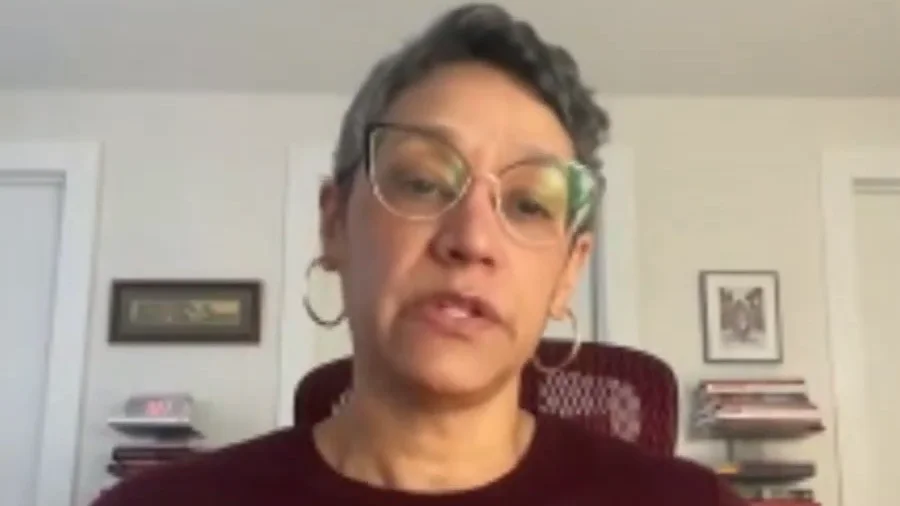
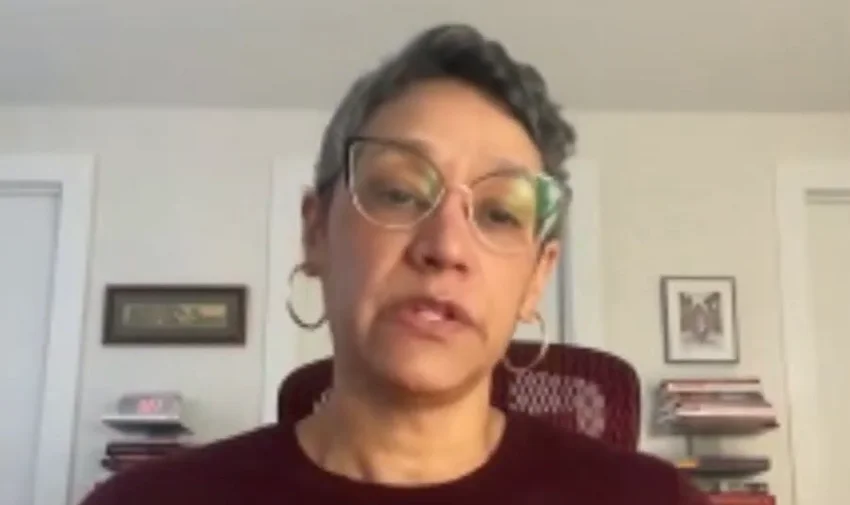
The interviews with experts as part of the exhibition “Controversial Kinship. Colonial and National Socialist Violence” present a range of perspectives and positions in the debate. Historian Michelle Moyd, Michigan State University, talks about collaboration between coercion and conformity in colonialism in a video interview:
“So, I think it's important, actually, to really consider what kinds of pressures people are under, especially under conditions of military occupation, where choices are still being made, but they are being made within a very narrow set of options, right? So, if you are an African villager in 1892 and the ‘Schutztruppe’ is in your region, and they are establishing a military presence and an administrative presence, and they start coming to your leader and demanding certain things, or, if not demanding, [then] making some kind of alliance and saying ‘Here are the terms of the alliance.’ What are your choices?”

Dr. Stephan Malinowski is the curator of the exhibition “Controversial Kinship. Colonial and National Socialist Violence” at the Deutsches Historisches Museum.
Michelle Moyd is a historian at the Michigan State University.
20 October 2026
EditorsControversial Kinship
9 October 2026
8 Min.Controversial Kinship
9 October 2026
7 Min.Controversial Kinship
9 October 2026
8 Min.Controversial Kinship
9 October 2026
6 Min.Controversial Kinship
9 October 2026
8 Min.Controversial Kinship
9 October 2026
6 Min.Controversial Kinship
9 October 2026
6 Min.Controversial Kinship
9 October 2026
6 Min.Controversial Kinship
9 October 2026
8 Min.Controversial Kinship