Film pioneers!
Female directors in Germany from 1917 to 1932
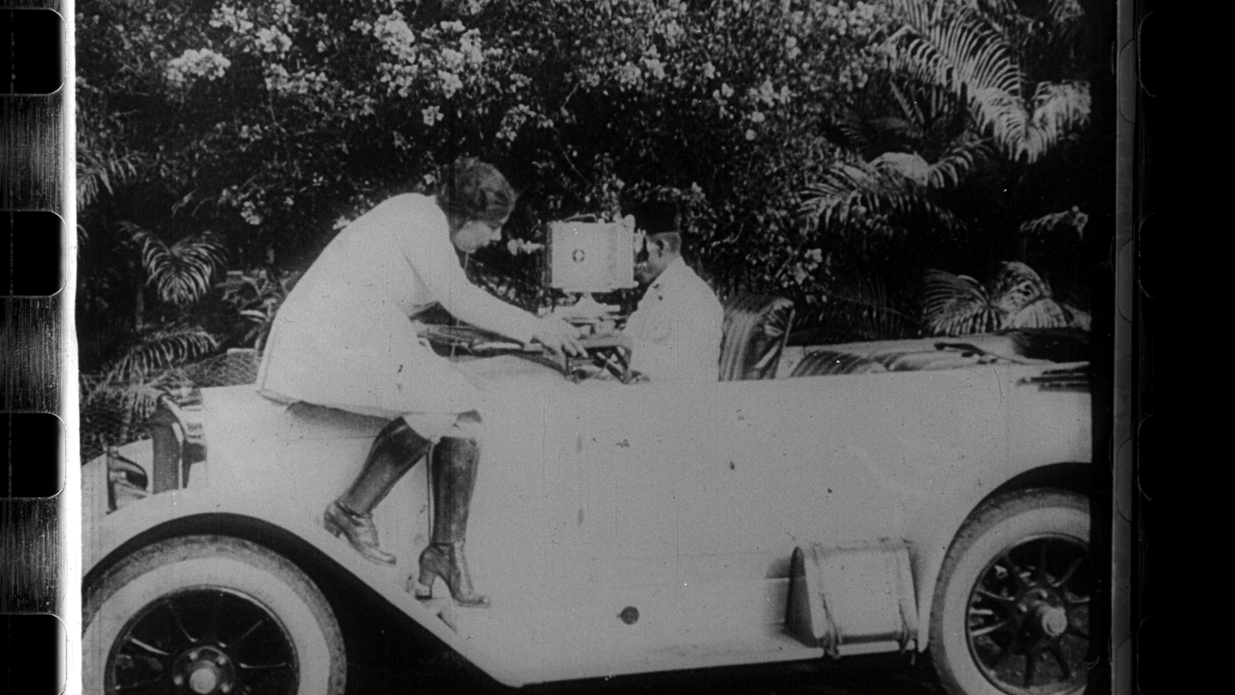
Female film directors faced particularly great challenges during the silent film era. Not only did their leading role in film production require a high degree of firmness, courage and perseverance, but female directors – then as now – had to assert themselves in a male-dominated industry and defend themselves against prejudices that assumed they lacked qualifications and robustness. In her biography Licht und Schatten, written in 1951 and published in 1996, Leontine Sagan, director of the unique feature film Mädchen in Uniform (1931), points out that women who want to work as directors are still met with mistrust and that their ideas are usually rejected.
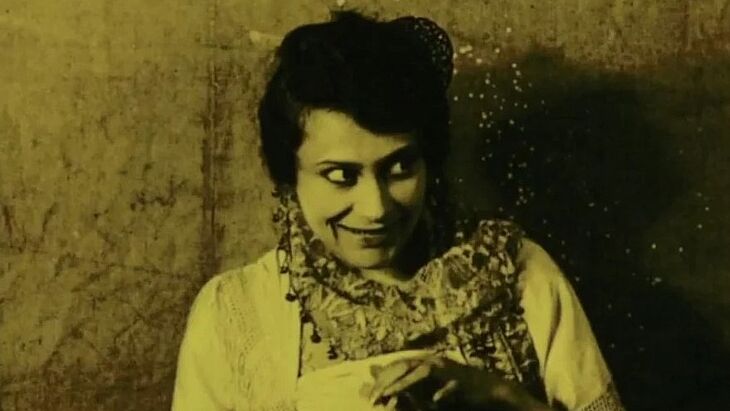
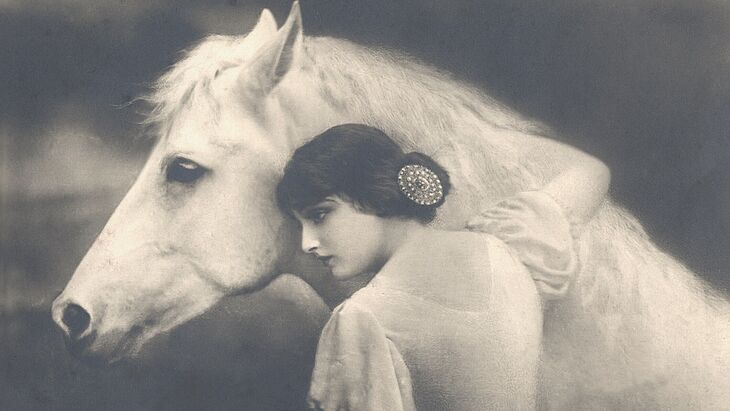
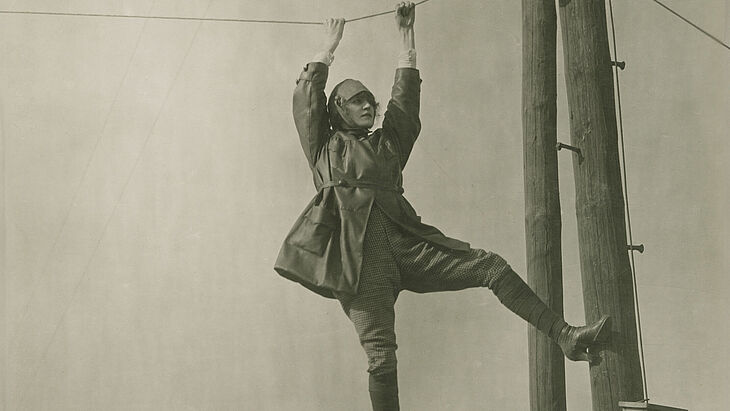
The retrospective Film Pioniers! is the first retrospective of its kind to focus on the film work of female directors in Germany from 1917 to 1932. In addition to Lotte Reiniger, Leni Riefenstahl and Leontine Sagan, whose names and, in some cases, films are known to a wider audience, it focuses on the astonishingly broad field of forgotten female filmmakers. Unlike their male colleagues, many of these women combined several activities in their work. The first women to work in the film industry wrote screenplays, acted, directed and produced their own films. On the one hand, this presented them with multiple challenges, but on the other hand, it guaranteed them a certain degree of independence and control over film production.
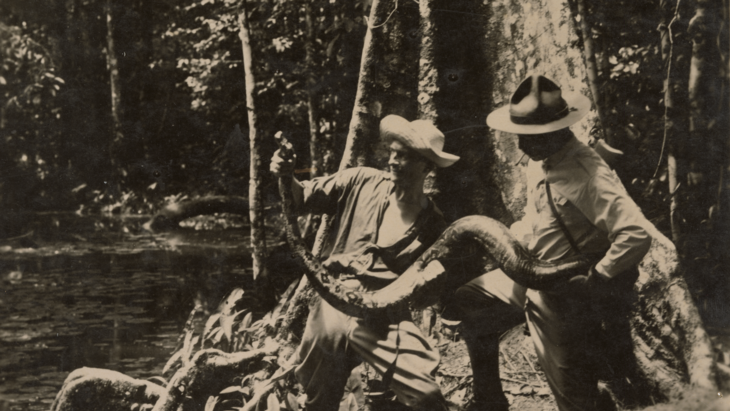
The thematic and aesthetic range of female filmmaking in the silent film era is strikingly broad. With a predominantly female audience in mind, dramatic love stories (such as Fern Andra's Um Krone und Peitsche or Iwa Raffay's Die Augen von Jade, comedies (such as Olga Tschechowa's Der Narr seiner Liebe) and melodramas (such as Das große Licht by Hanna Henning). Directors such as Gertrud David, Marie M. Harder and Ella Bergmann-Michel filmed in response to pressing social issues. Others, such as ethnologist Gulla Pfeffer and zoologist Lola Kreutzberg, travelled abroad to explore non-European places and cultures. Last but not least, advanced forms catch the eye: Lotte Reiniger's silhouette films, the puppet animation films by Hedwig and Gerda Otto, and the experimental works by Stella F. Simon and Ella Bergmann-Michel.
To date, the names of over 30 women who worked behind the camera in the German film industry during the First World War have been researched. The most prolific among them – Hanna Henning – was, alongside Louise Kolm-Fleck and Fern Andra, one of the first to direct films herself. After the end of the First World War, many women were able to continue their film careers in the Weimar Republic, but for almost all of them, this came to an end under National Socialism. (Gerlinde Waz).
The retrospective Film Pioneers!, curated by Kristina Jaspers, Philipp Stiasny and Gerlinde Waz, presents the work of a wide variety of female directors from the silent film era. It thus ventures into a field of film history that has only recently begun to be explored in depth and whose film heritage is as threatened as that of many other forgotten silent and sound films. This makes it all the more gratifying that some of the films in the retrospective have recently been preserved and can now be seen again for the first time in Berlin. We would like to thank all the archives for their support.