
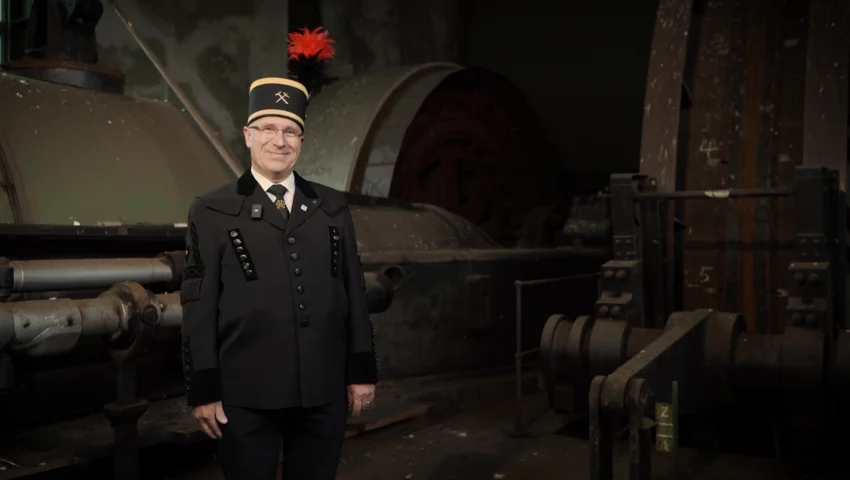
“Mining is not the work of one man” — Ralf Kusmierz reflects on the tradition of miners
30 September 2026
2 Min.Objects. History. Stories.
26 May 2026 Reading duration 3 Min.
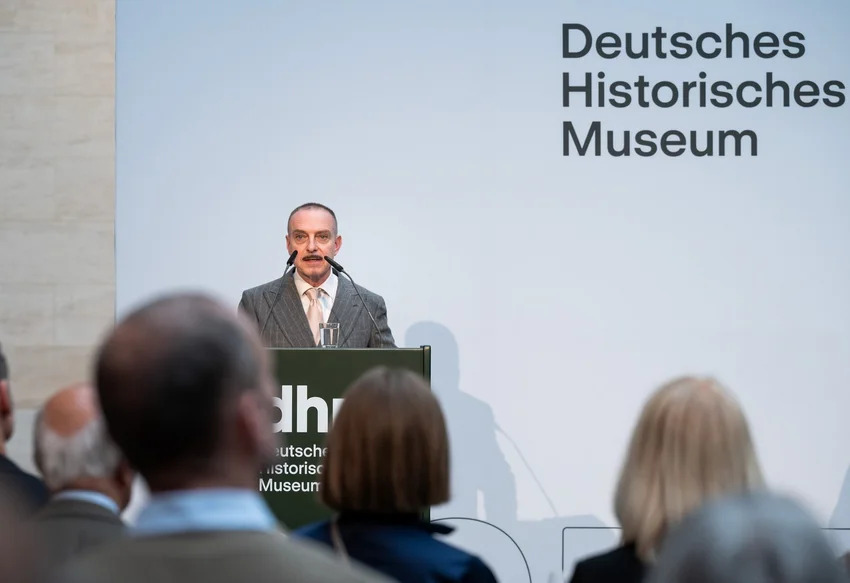
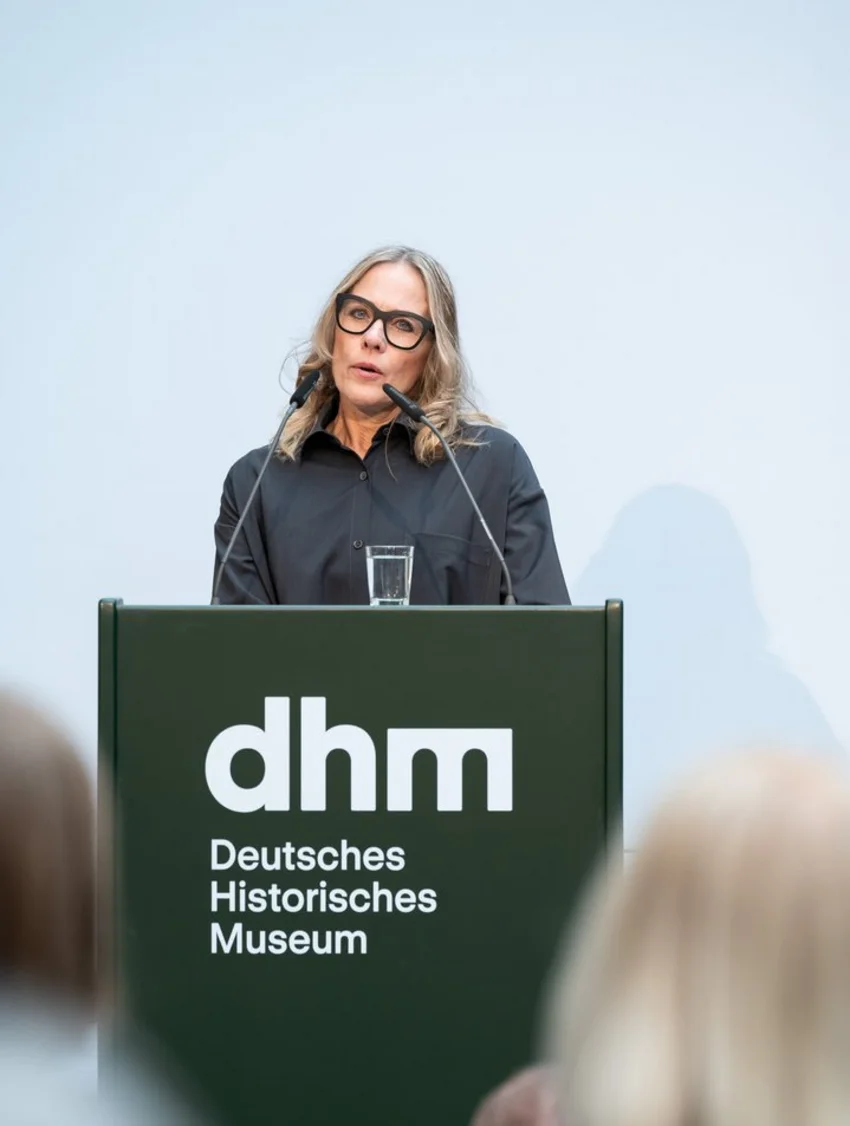
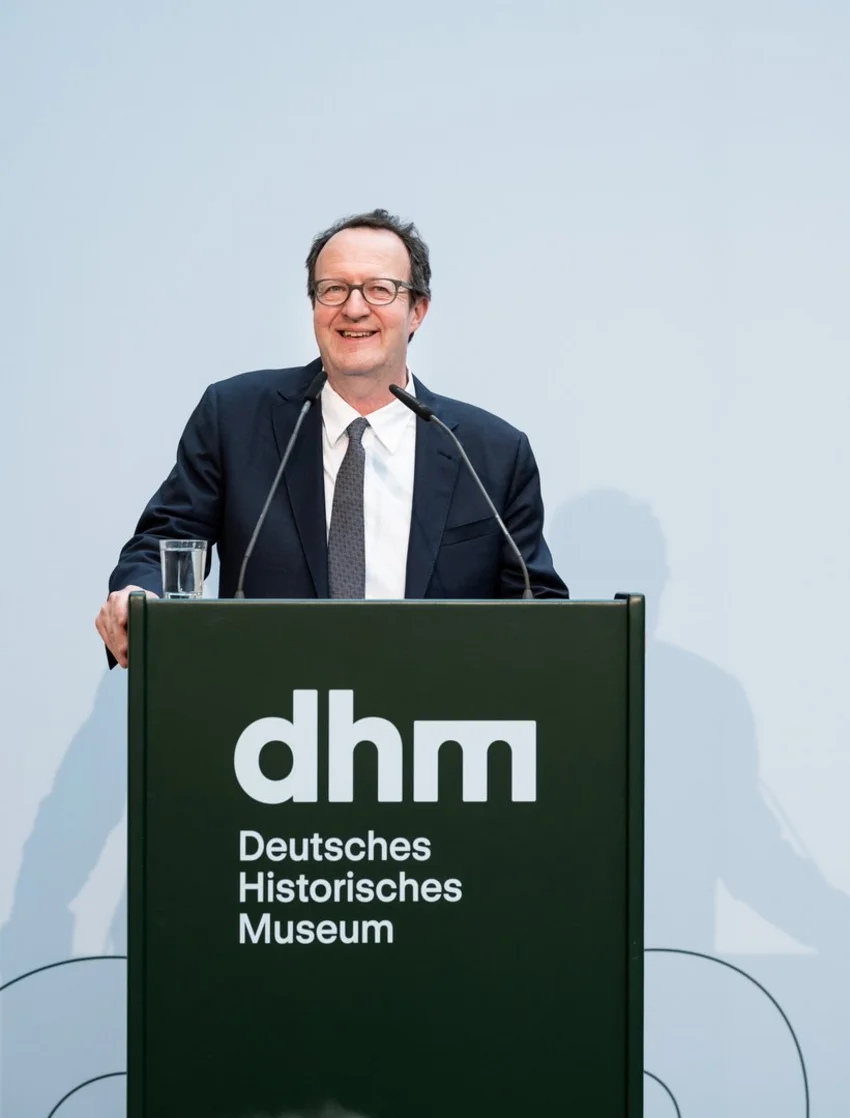
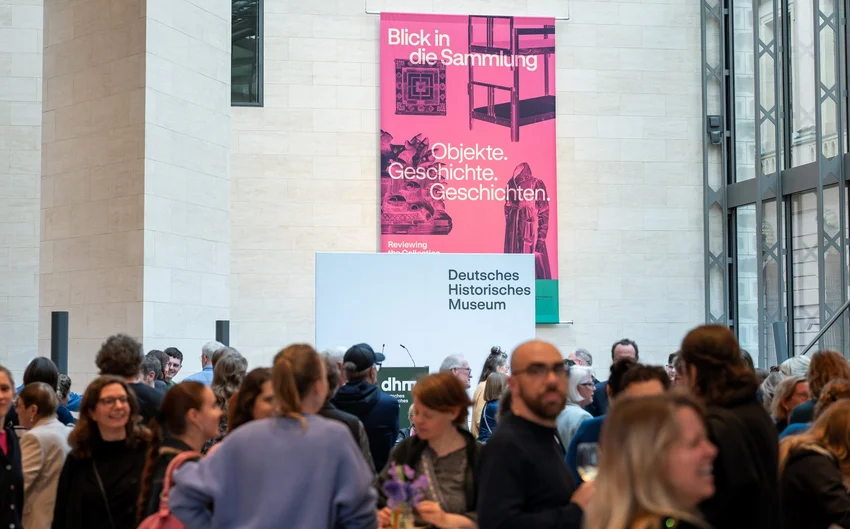
Since 8 May 2026, the exhibition “Objects. History. Stories. Reviewing the Collection” has been on display in the Pei Building of the Deutsches Historisches Museum. During the official opening on 7 May 2026, DHM President Raphael Gross delivered the following speech:
In the summer of 1931, Walter Benjamin published his celebrated essay “Unpacking My Library: A Talk about Book Collecting”. Benjamin, who was approaching his thirty-ninth birthday in July and had to move out of his flat on Prinzregentenstraße in Berlin’s Wilmersdorf district, invited his readers to join him among the crates and stacks of books and shared with them the thoughts these things stirred in him. The essay originally appeared in the journal Die literarische Welt. Addressing his audience directly, Benjamin wrote:
“I must ask you to join me in the disorder of crates that have been wrenched open, the air saturated with the dust of wood, the floor covered with torn paper, to join me among piles of volumes that are seeing daylight again after two years of darkness, so that you may be ready to share with me a bit of the mood – it is certainly not an elegiac mood but, rather, one of anticipation – which these books arouse in a genuine collector.”
I have recently found my thoughts returning to this essay of Benjamin’s, not least because the DHM, too, is involved in a big move. As you know, the Zeughaus is undergoing renovation, and we have had to crate up the objects on display there and move them into storage. Since then, we have been working on the new permanent exhibition, which will offer a wide-ranging presentation of German history drawing on the objects in our collection.
This permanent exhibition will eventually return to the Zeughaus in a new form. There, it will once again take visitors on a chronological journey through German history, with some surprises along the way and exhibits that have never been shown before. We look forward to that day not in an elegiac mood, to quote Benjamin again, but in eager anticipation. Unfortunately, we are still a long way from unpacking. That will probably not begin before 2030, and we hope to open in 2031.
A large team – virtually the entire museum, in fact – is working to bring our master plan to fruition. Historians here at the DHM are immersed in what Benjamin calls “the spring tide of memories which surges toward any collector as he contemplates his possessions.” Unlike Benjamin’s books, the collections in our museum were, of course, not assembled by a single individual; nor are they private property. Yet his phrase “the spring tide of memories” is a brilliant metaphor for the rich variety of associations historical objects can carry. Depending on the context, these objects represent different things and point in different directions. Their meanings are manifold, sometimes even contradictory.
The site where objects are displayed exerts a distinct influence on how they are perceived. That is why – this much I can say about our future plans – the new permanent exhibition will also explore the Zeughaus itself. It is more than just a building or a grand display case; it is a historical object in its own right, and by far the largest in our collection. To summarise its eventful history, it is the oldest building on Unter den Linden and has served over the centuries as an armoury, a hall commemorating the Prussian army, a military museum, the GDR’s Museum of German History, and, since reunification, the home of the DHM. This history of the site will also feature in the new permanent exhibition.
Starting today, the exhibition Objects. History. Stories. Reviewing the Collection will present a select group of objects that help to illustrate the connections between objects and the places in which they are displayed, the collections to which they belong, the historical contexts from which they come, and the political narratives in which they appear. When you enter the galleries on the ground floor shortly, you will encounter some two hundred objects from our collection. I would like to draw your attention to one in particular. It weighs 1.7 tonnes and comes from Germany’s last operating hard coal mine, which closed in 2018. It is the enormous cutting head of a roadheader, acquired from the Prosper-Haniel mine in Bottrop and now part of our collection.
I mention this object because it captures so clearly how collections change. For most of its history, the cutting head never saw daylight. It was used to carve out mining tunnels, some lying as deep as 1,000 metres beneath the earth’s surface. These tunnels form a sprawling network, a vast underground landscape shaped by the fossil fuel age. This hidden world still exists, even though mining operations have ceased. Massive pumping systems continue to remove the water that would otherwise rise through the abandoned mine workings and flood large parts of the Ruhr region.
The cutting head is thus part of Germany’s industrial history, which stretches back to the nineteenth century. It is part of a closed chapter of history – that is, the era of hard coal mining in Germany. At the same time, it is part of an unfinished history, one that reaches into the future and continues to unfold. It bears witness to the spaces and landscapes created by industrialisation, the scale and consequences of which we are only now beginning to grasp. In recent decades, historical scholarship has paid increasing attention to these spaces. The cutting head is a key object in this shift in historical perspective.
Running throughout the exhibition is the question of how an object enters the collection. How is it selected? Where does it come from? What is its history? How does what it represents change over time? And how is its connection to history established? We will address these same questions in the new permanent exhibition, in a dedicated section called the Arsenal. We are particularly interested in provenance – where objects come from – and the present exhibition reflects this interest as well.
In closing, then, I’d like to return to Benjamin and say that we await the unpacking with great anticipation. In the meantime, my thanks go to everyone involved in this interim “unpacking” for carefully channelling the “spring tide of memories” into structured lines of inquiry and historical contexts.
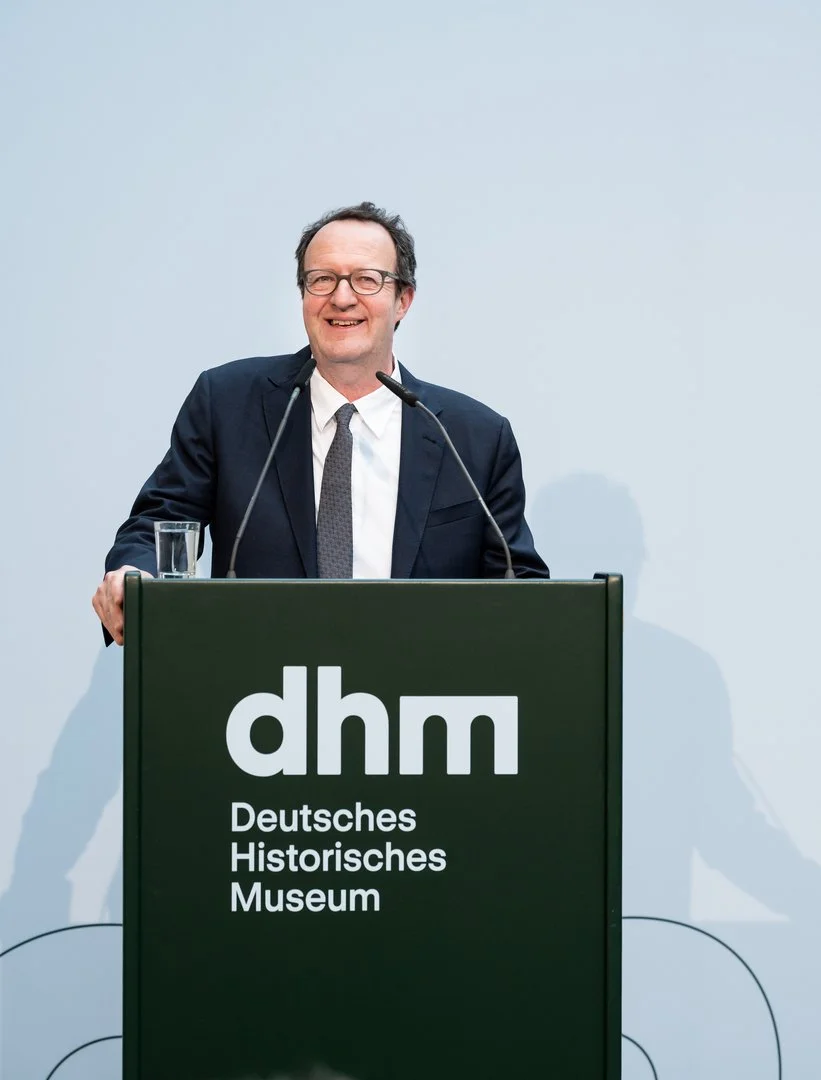
DHM President Raphael Gross speaks at the opening of the exhibition “Objects. History. Stories. Reviewing the Collection” at the DHM © DHM, photo: Harry Schnitger
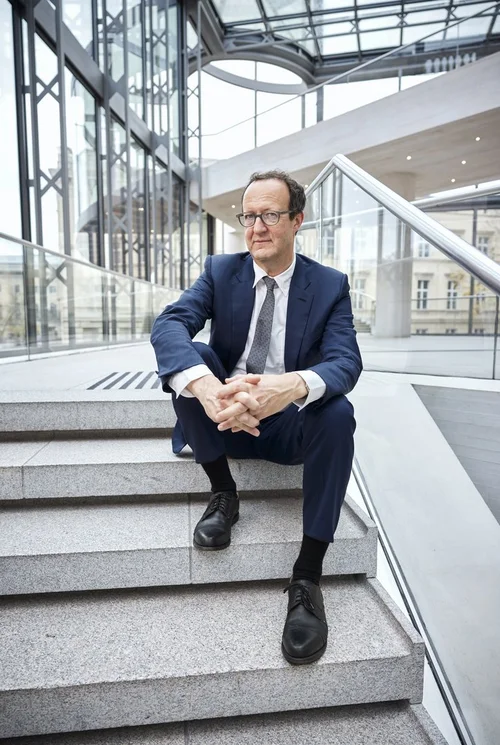
Prof Dr Raphael Gross is President of the Foundation Deutsches Historisches Museum.
30 September 2026
2 Min.Objects. History. Stories.
17 September 2026
2 Min.Objects. History. Stories.
9 September 2026
Simon SachaObjects. History. Stories.
12 August 2026
7 Min.Objects. History. Stories.
3 July 2026
Wolfgang Cortjaens , Dorlis BlumeObjects. History. Stories.
26 May 2026
Wolfgang CortjaensObjects. History. Stories.
26 May 2026
Charlotte KlonkObjects. History. Stories.
26 May 2026
Raphael GrossObjects. History. Stories.
26 May 2026
EditorsObjects. History. Stories.