Objects. History. Stories.
Reviewing the Collection
Pei Building, Ground floor
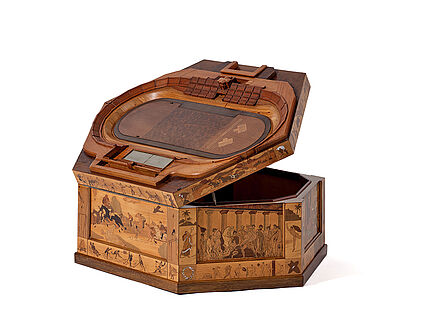
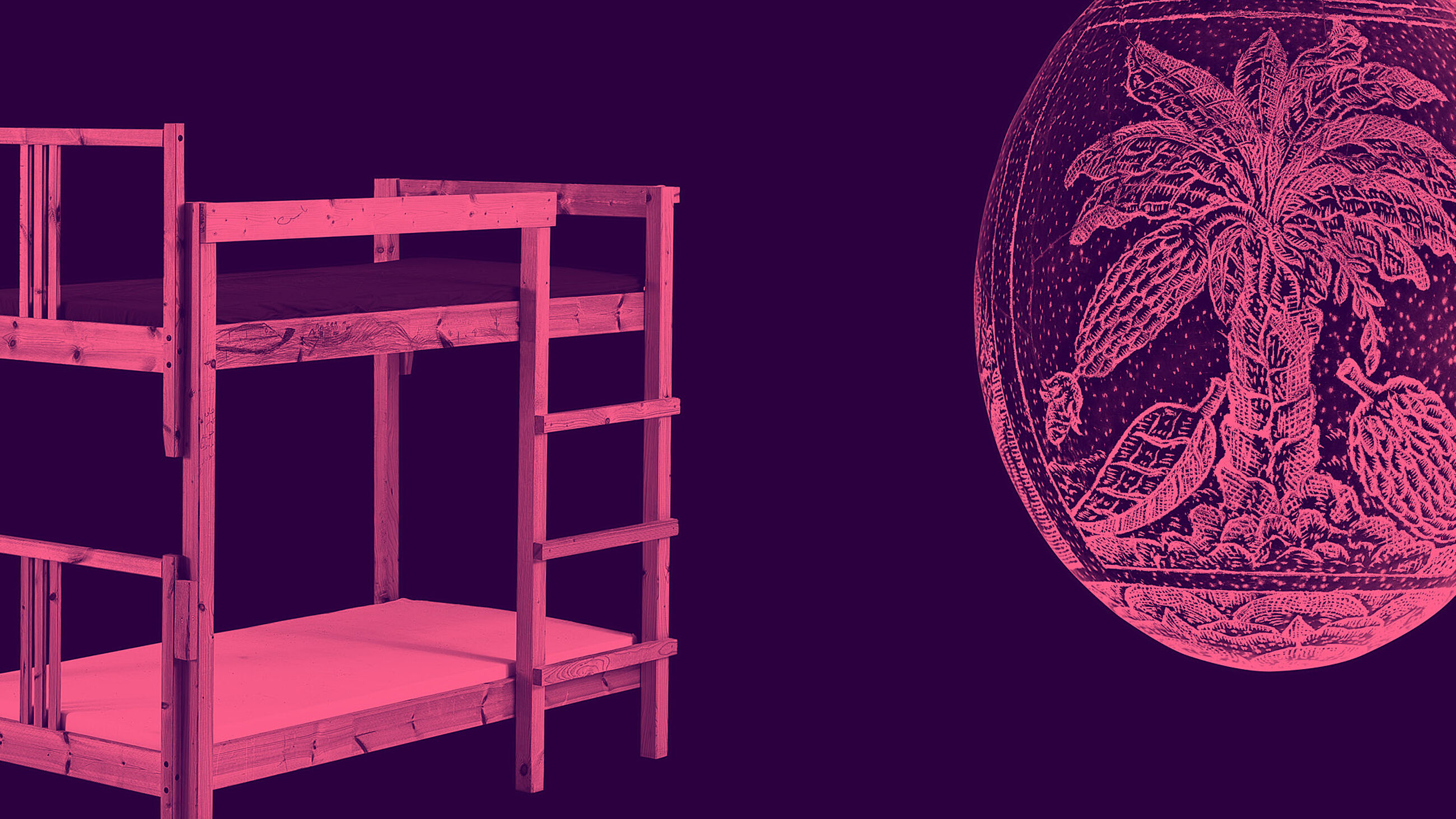
An amber game board from Königsberg made in 1607, Queen Luise’s dressing gown from 1806, the poster for the East Berlin exhibition “40 Years of the GDR”, and the IKEA bunk bed salvaged from a refugee shelter in Kassel in 2015 – the collection of the Deutsches Historisches Museum comprises around one million objects that bear witness to German history. The DHM is presenting a selection of some 200 items, some of which have never been shown before, including surprising finds and new acquisitions in the exhibition “Objects. History. Stories. Reviewing the Collection”. The exhibition offers insights into the practice of collecting and examines the items on display in terms of their provenance and significance.
In the first part, the exhibition focuses on the DHM’s collection itself, which, over the course of its 150-year history, has become a historical witness in its own right. A tour through the exhibition follows defining eras in the institution’s eventful history between 1883 and 2006: The “Hall of Fame of the Brandenburg-Prussian Army”, the building’s further utilisation, initially by the Nazi regime as a military museum, the central socialist history museum of the GDR, the Museum für Deutsche Geschichte, and following reunification in 1990, the Deutsches Historisches Museum, founded three years earlier in West Berlin.
History is usually understood as a sequence and change over time. But it also tells of shifts in location. The exhibition therefore views history from a particular perspective: in the second part of the exhibition, places, locations, and regions take centre stage. Selected object histories tell of contested spheres of influence, of global trade, colonisation, and the exploration of new territories, as well as of vanished places, borders, flight, and exile.
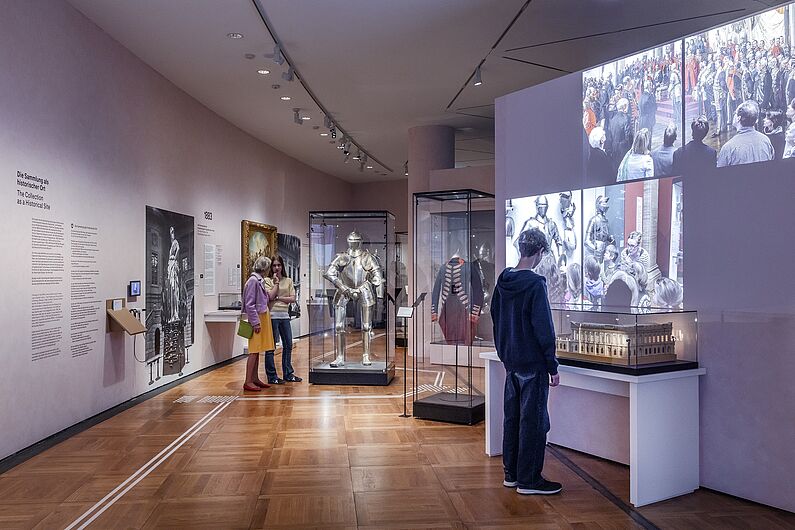
In the exhibition “Objects. History. Stories. Reviewing the Collection”
© DHM/David von Becker
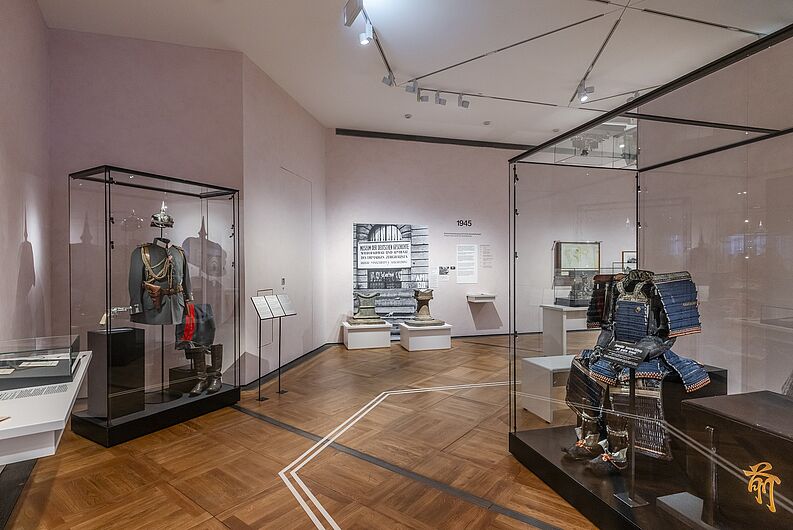
In the exhibition “Objects. History. Stories. Reviewing the Collection”
© DHM/David von Becker
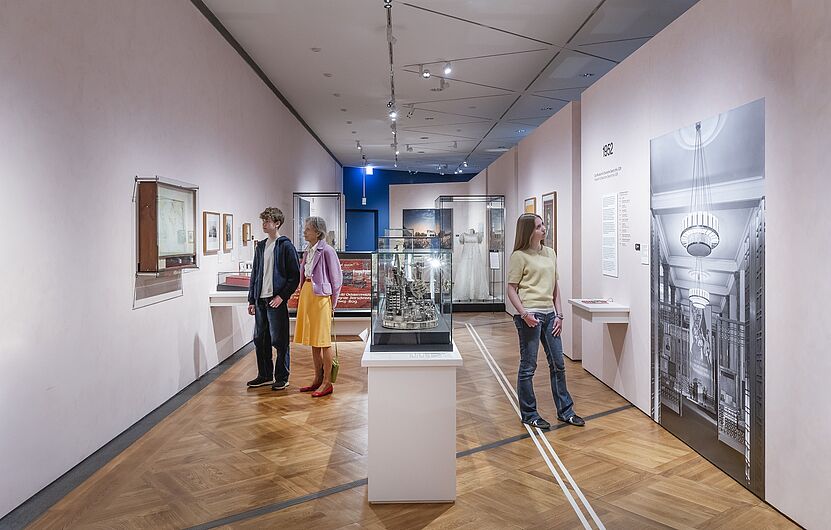
In the exhibition “Objects. History. Stories. Reviewing the Collection”
© DHM/David von Becker
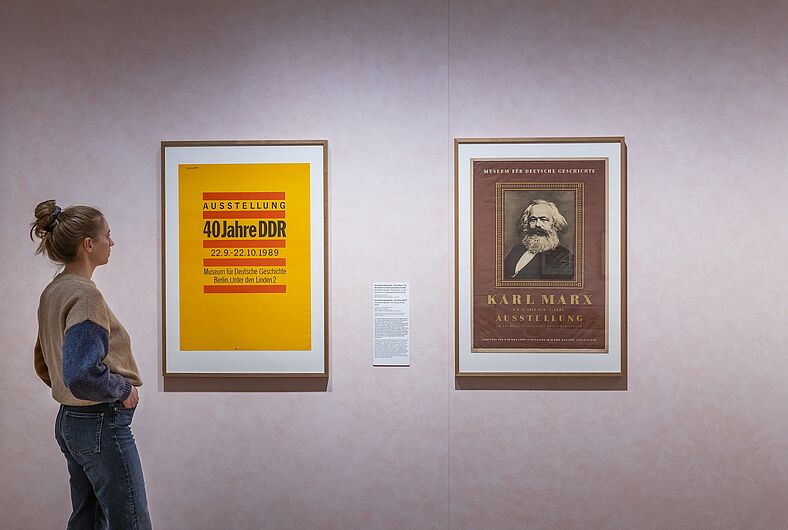
In the exhibition “Objects. History. Stories. Reviewing the Collection”
© DHM/David von Becker
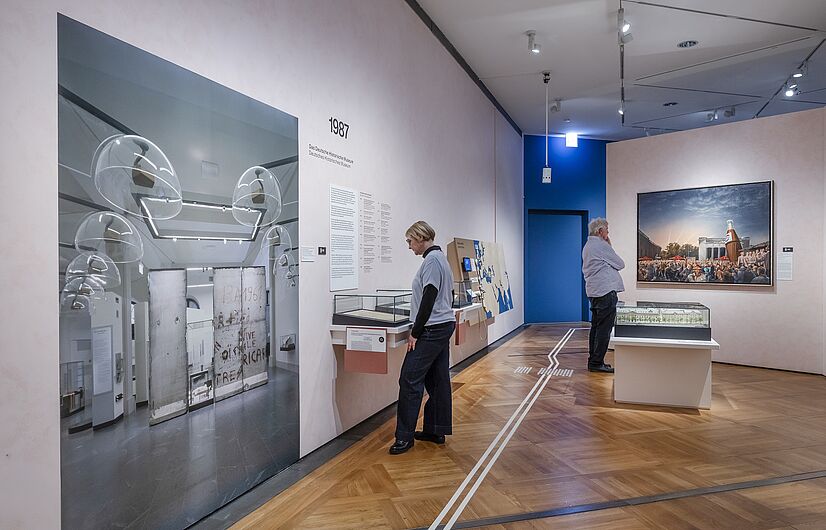
In the exhibition “Objects. History. Stories. Reviewing the Collection”
© DHM/David von Becker
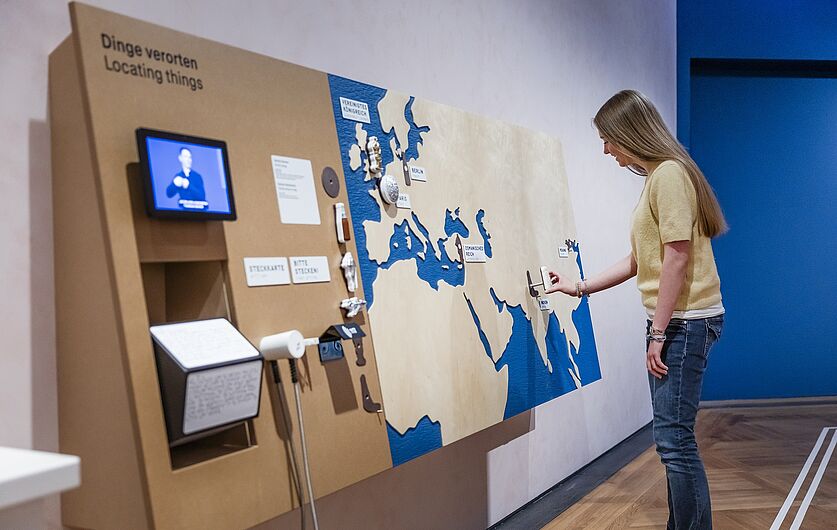
In the exhibition “Objects. History. Stories. Reviewing the Collection”
© DHM/David von Becker
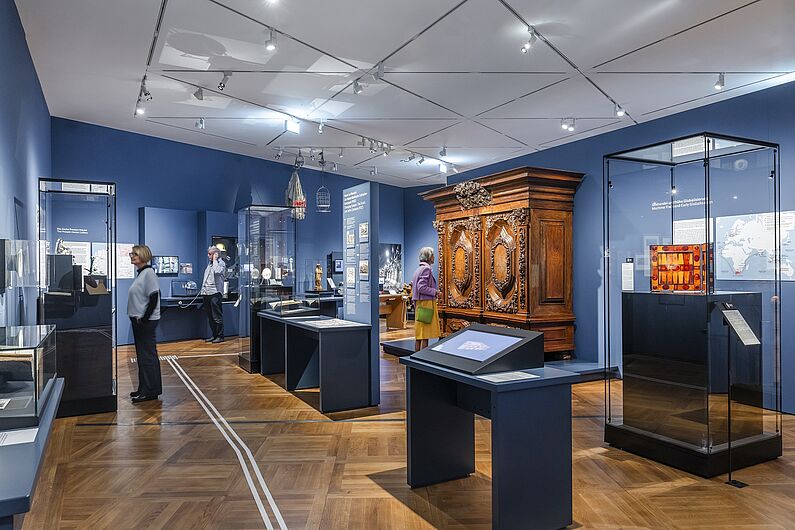
In the exhibition “Objects. History. Stories. Reviewing the Collection”
© DHM/David von Becker
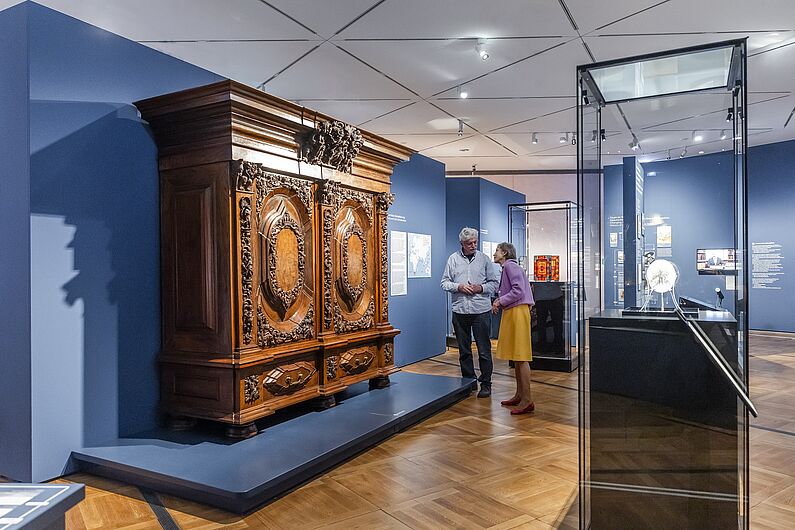
In the exhibition “Objects. History. Stories. Reviewing the Collection”
© DHM/David von Becker
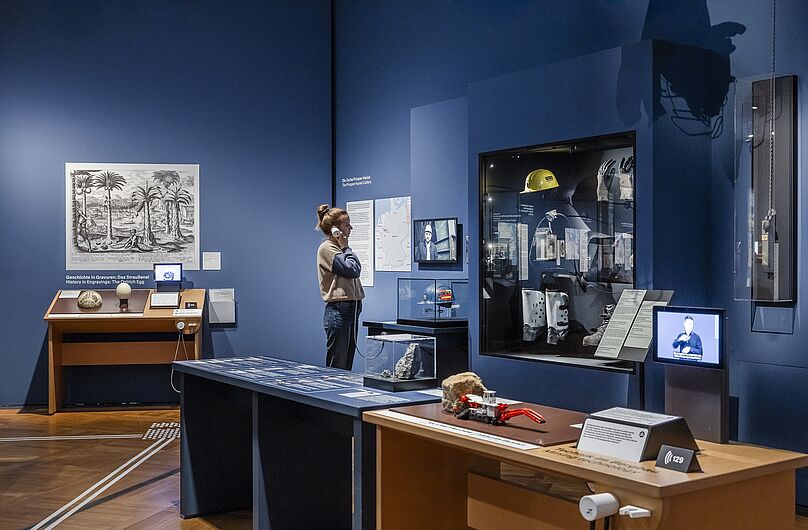
In the exhibition “Objects. History. Stories. Reviewing the Collection”
© DHM/David von Becker
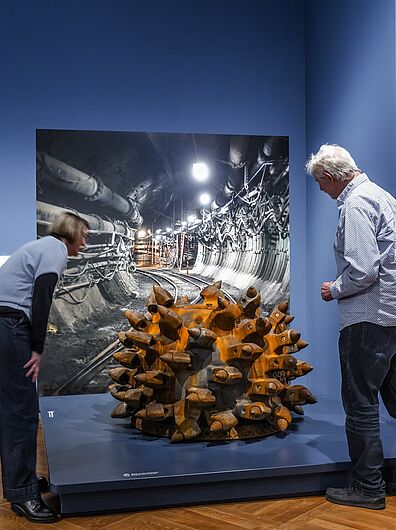
In the exhibition “Objects. History. Stories. Reviewing the Collection”
© DHM/David von Becker
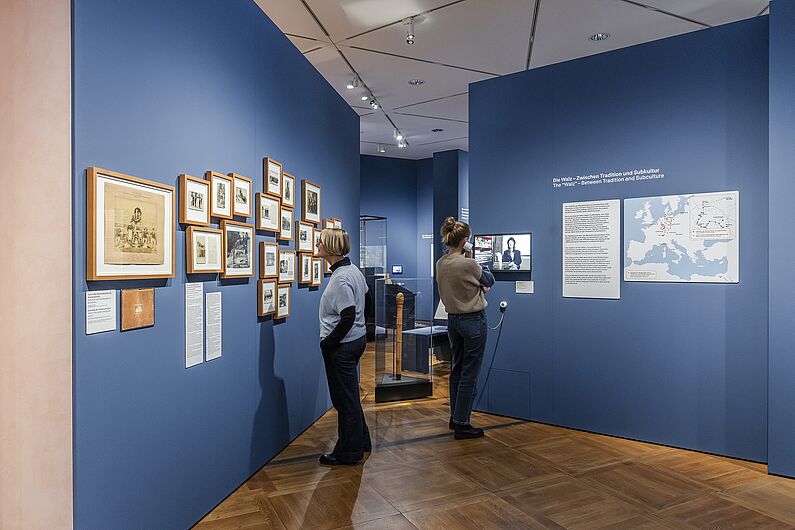
In the exhibition “Objects. History. Stories. Reviewing the Collection”
© DHM/David von Becker
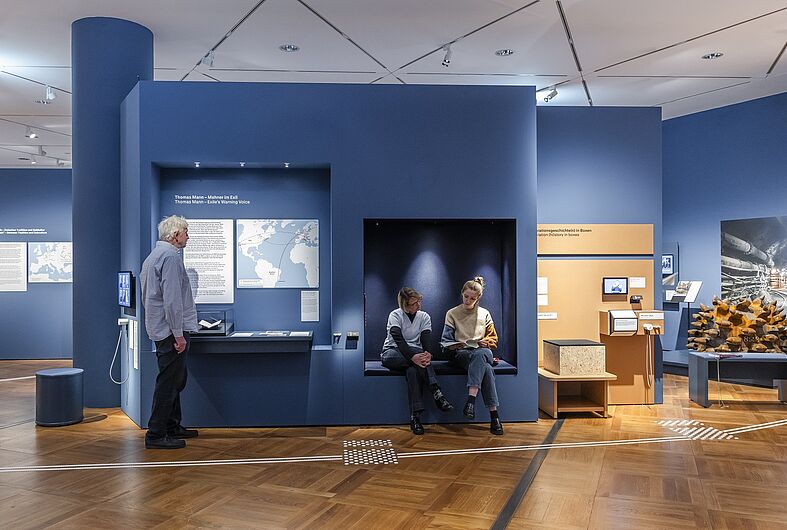
In the exhibition “Objects. History. Stories. Reviewing the Collection”
© DHM/David von Becker
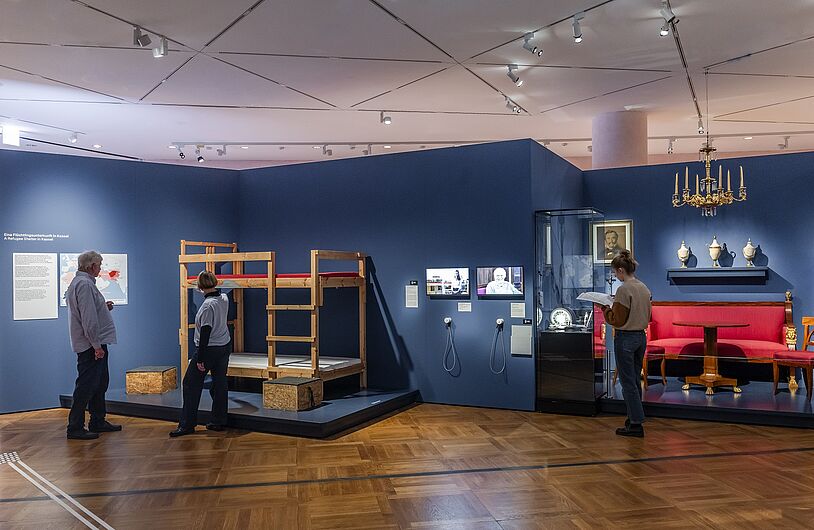
In the exhibition “Objects. History. Stories. Reviewing the Collection”
© DHM/David von Becker