
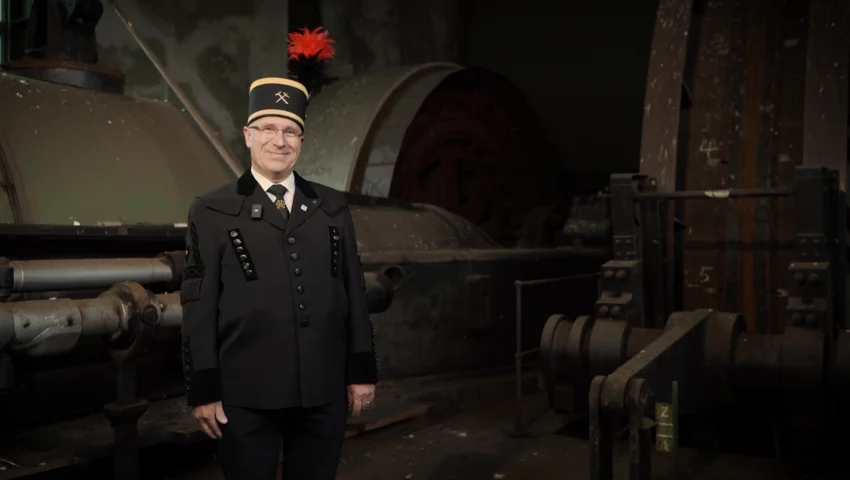
“Mining is not the work of one man” — Ralf Kusmierz reflects on the tradition of miners
30 September 2026
2 Min.Objects. History. Stories.
26 May 2026 Reading duration 5 Min.
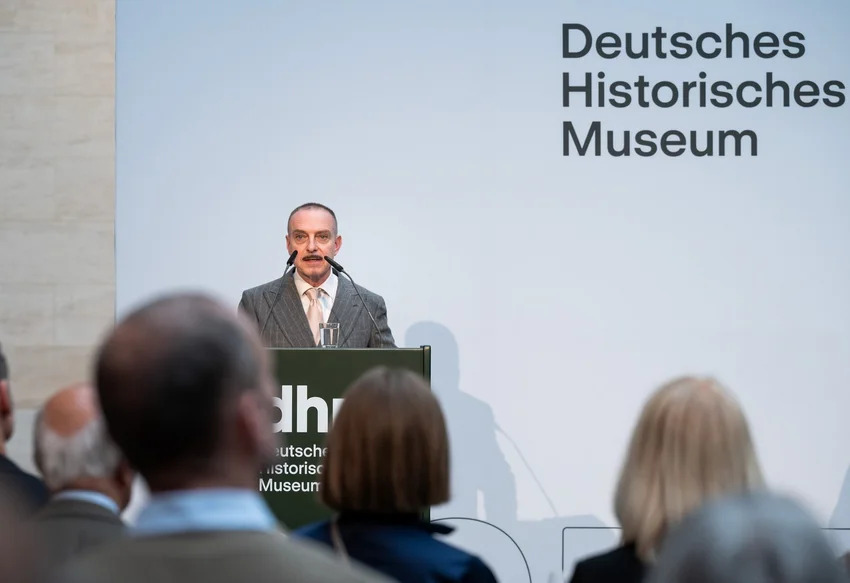
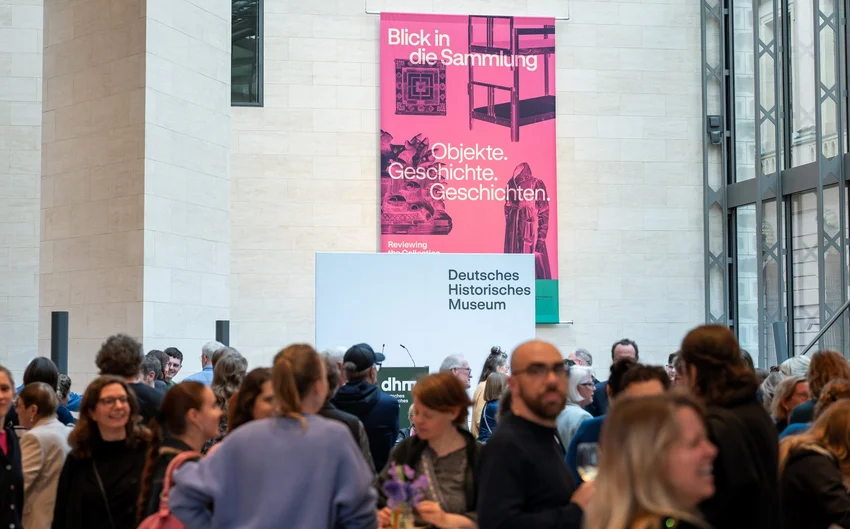
Since 8 May 2026, the exhibition “Objects. History. Stories. Reviewing the Collection” has been on display in the Pei Building of the Deutsches Historisches Museum. During the official opening on 7 May 2026, curator Wolfgang Cortjaens delivered the following speech:
As a curator, I am often asked why this or that particular object was added to the collection. Strictly speaking, of course, I should say “the collections”, since the museum’s more than one million objects are divided into twelve separate collections, even if these divisions are not always strictly logical.
Most of the objects were found through targeted searches of the museum’s database, using filters such as accession year or keyword. Some were suggested by staff in the Collections Department, while others were chance finds. Sometimes personal connections even played a part. This was the case with the cast-concrete border marker from my hometown of Herzogenrath, near Aachen. It is neither very attractive nor, at just forty centimetres high, especially effective, but for twenty-five years it divided a two-kilometre stretch of road between Germany and the Netherlands. Then there are the more targeted acquisitions that are only made possible through external funding or grants. These are objects of particular historical importance bought at fairs, through art dealers and antiquarian booksellers, and occasionally from private owners.
A very specific category of objects relates to the Zeughaus itself and represents the five key phases in the building’s eventful history as a museum. Built in the early eighteenth century as an arsenal for the Prussian kings, it underwent extensive renovations before opening for the first time as a museum – the Hall of Fame of the Brandenburg-Prussian Army – in 1883. The twentieth century saw it converted into the “Army Museum” in 1934. Following a brief period of use by the Allies, it opened in 1952 as the Museum of German History – the GDR’s official history museum, with a programme shaped by Marxist-Leninist ideology.
After forty years of German division, reunification brought not only the end of the GDR, but also the closure of the Museum of German History. In 1990, its collections were incorporated into the Deutsches Historisches Museum, which had been founded three years earlier in West Berlin and was in the final planning stages. This rival project, featuring a postmodern design by the renowned Italian architect Aldo Rossi and a site on the Spree River where the Federal Chancellery now stands, was abandoned. Instead, the Zeughaus was chosen as the home of a new national history museum for reunified Germany. A space for temporary exhibitions, designed by Chinese-American architect I. M. Pei, was added as an extension to the Baroque building in 2003, and we are pleased to be opening this exhibition today in its striking glass foyer.
The first part of the exhibition, exploring the history of the museum and its collections, concludes with an architectural model of Pei’s extension, produced by his office, and a brightly coloured Pop Art-style painting by Matthias Koeppel. Titled “Everything Will Turn Out All Right in the End” (Am Ende wird alles wieder gut), the painting offers an ironic commentary on the festive atmosphere of 3 October 1990, the day of German reunification. In 2006, the year Germany hosted the FIFA World Cup and the German national team achieved a widely celebrated third-place finish, the old permanent exhibition opened in the Zeughaus. History has since taught us that this “happy ending”, in the year of Germany’s “summer fairy tale”, was not the end of the story. The course of history and the global crises over the past twenty years have raised new questions – questions that influence museum collecting practices and exhibition approaches.
Each period in the building’s history is represented in the exhibition by objects associated with its particular use at the time. Together, they reflect the ruptures and shifting currents of German, European, and indeed global history embodied in the collections of the Deutsches Historisches Museum and its predecessor institutions. In selecting the objects, we wanted to look beyond the familiar and expected and include some less obvious choices.
How, for example, did the museum come to receive a historic suit of Japanese samurai armour in 1938, on loan from Adolf Hitler?
Was the leadership of the GDR’s Museum of German History really pleased when, beginning in 1958, dresses belonging to Queen Luise of Prussia – previously displayed at the Hohenzollern Museum in Monbijou Park – were returned by the Soviet Union?
Why did the sheet music for Hoffmann von Fallersleben’s “Song of the Germans”, acquired in 1988, hold such symbolic significance for the rival West Berlin museum project in the years before reunification in 1990?
This brings us to the second part of the exhibition. Here, the colour scheme and atmosphere change, and the focus shifts to individual objects and groups of related objects. Most of the exhibits are recent additions to the collection and have never been shown in a temporary exhibition at the DHM before.
Our selection was guided by the journeys these objects have made and the places in which they have acquired meaning. In tracing those journeys, the exhibition explores territorial change, religious affiliation, borders, cultural identity, flight, and displacement. The exhibits are therefore not arranged strictly by date of creation.
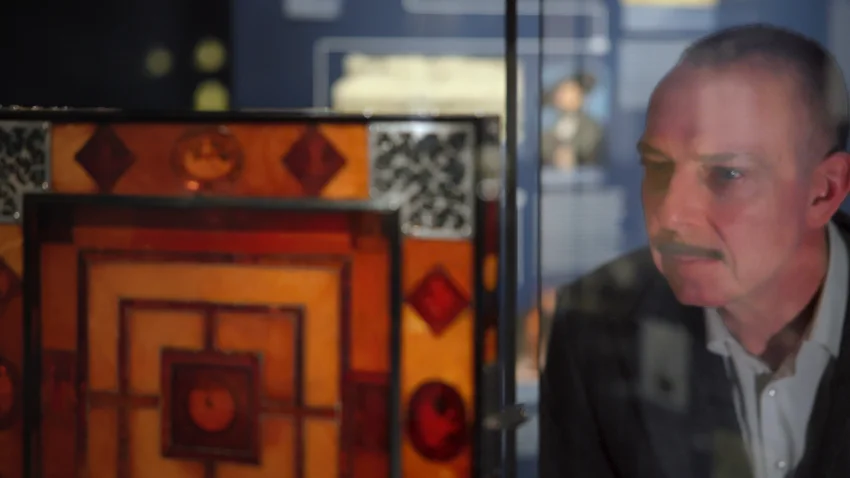
They include precious items from cabinets of curiosities, such as the Oettingen Willkomm, a beaker just eleven centimetres high that over the course of a century served both as a mourning cup and as a record, inscribed in glass, of a Swabian noble family and its guests. Another example is an amber board game box made in Königsberg in 1607, which recent research suggests was presented as a diplomatic gift to Anne of Denmark, queen consort of England, Scotland, and Ireland.
Alongside these exquisite pieces, the exhibition also features seemingly unremarkable everyday objects. These include a collection of rare photographs, taken between the 1910s and 1930s, that document the rituals of wandering journeymen on the traditional three-year “Walz”. Tools and miners’ clothing from Prosper-Haniel in Bottrop, Germany’s last active hard coal mine, are displayed with the same care as the precious early modern “curiosities” and incunabula.
Maps provide a visual thread linking the stories of the individual objects in this second part of the exhibition. They trace the “migrations” of the exhibits and of the people connected with them.
Each section includes timelines titled “Raum im Wandel”, tracing how the themes explored in that section played out across different periods and places.
Throughout the exhibition, a series of video interviews allows you to hear directly from people who witnessed the events and developments presented here. The first, shown at the end of the opening section, is with Ulrike Kretzschmar, former deputy president of the DHM and head of exhibitions. She was a member of the founding team led by the museum’s first president, Christoph Stölzl, and went on to serve for many years as head of exhibitions. Before leaving the museum in March of this year, she played a key role in developing the exhibition we are opening today. I am particularly pleased that she is with us this evening.
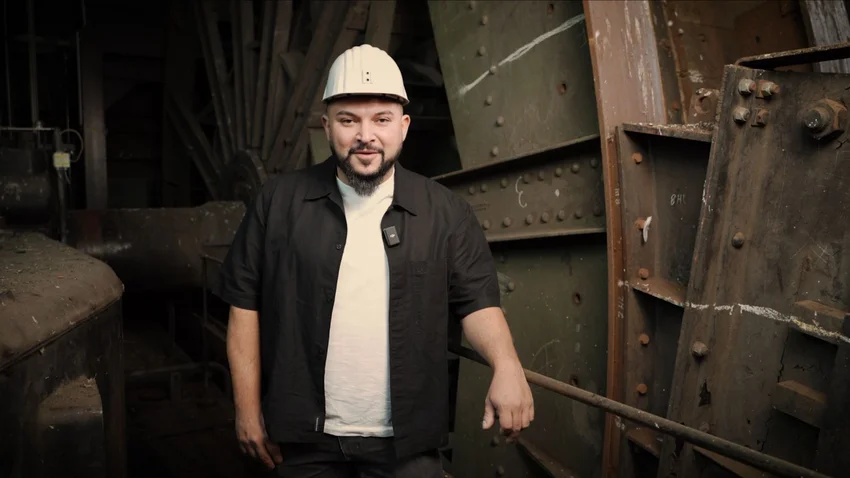
Earlier, I spotted several other people in the audience who contributed to the exhibition’s oral history project. As part of that project, members of our team visited them or invited them here to share with us – and with all of you now – the deeply personal stories that connect them to the objects on display. Through their histories, they have, as it were, given these objects a human face: Ayhan Artar, Wolfgang von Haaren, and Ralf Kusmierz, former miners at the Prosper-Haniel colliery in Bottrop; Bert Schiffelers, who lived on the road in Herzogenrath/Kerkrade that was once divided by an international border; Elgin Thomes, a wandering journeywoman; Dr Barbara Werwigk-Schneider, a former paediatrician who was imprisoned for several years following two unsuccessful attempts to escape from the GDR; and Dr Dietmar J. Ponert, the donor and last private owner of the fine Biedermeier furniture ensemble that originally belonged to the family of the Berlin physician Friedrich Bornitz.
Unfortunately, we don’t know yet whether the story told in the exhibition’s final section has a happy ending. The last objects visitors encounter there are two storage boxes and a simple IKEA bunk bed, displayed alongside the Biedermeier interior that survived the upheavals of the Second World War. The bed and boxes entered the collection in 2016, following the closure of a reception centre for refugees in Kassel during the “refugee crisis”. On the bed is a child’s drawing that depicts a perilous sea crossing in an inflatable boat and expresses hope for a better future. Beside it is a poem, written in Kurdish, in which a boy mourns his sister, who has been missing since the crossing. This moving and thought-provoking display is the final chapter of the exhibition, which will remain on view in the Pei Building for eighteen months. Given the comparatively long run, the exhibition team and I hope to learn more about the objects on display. New leads have already emerged in connection with at least three of the exhibits or groups of exhibits, and the DHM has even been able to acquire some interesting, previously unknown objects that offer valuable points of comparison.
Although it was too late to incorporate these new stories into the exhibition, its long run will provide ample opportunities to tell them in other formats, including the new DHM Journal on the museum’s website and a wide-ranging programme of events beginning in July. This programme will continue into next year and include a short film series at the Zeughauskino, the DHM’s cinema, scheduled for 2027. So, as you can see, the opening of the exhibition does not mean our job is done. The work of collecting, research, and critical inquiry is never truly finished and will remain central to how the DHM develops its collections.
A history museum, of course, is not a cabinet of curiosities. It does not collect things simply because they are rare, beautiful, or unusual. What matters most, when an object is considered for the collection, is its connection to German history: who owned it, where it came from, and what it represents. I would like to conclude by thanking all the unnamed private donors who, over the past several decades, have given the DHM objects they have carefully chosen from their personal possessions – objects imbued with personal and historical meaning. One of the most fascinating, emotional, and – as you can imagine – sometimes delicate parts of our collecting work is the time we spend with donors. That is another reason I am very moved and happy tonight. As we open “Objects. History. Stories. Reviewing the Collection”, part of my work – and of everything we have accomplished together – is there for all to see.
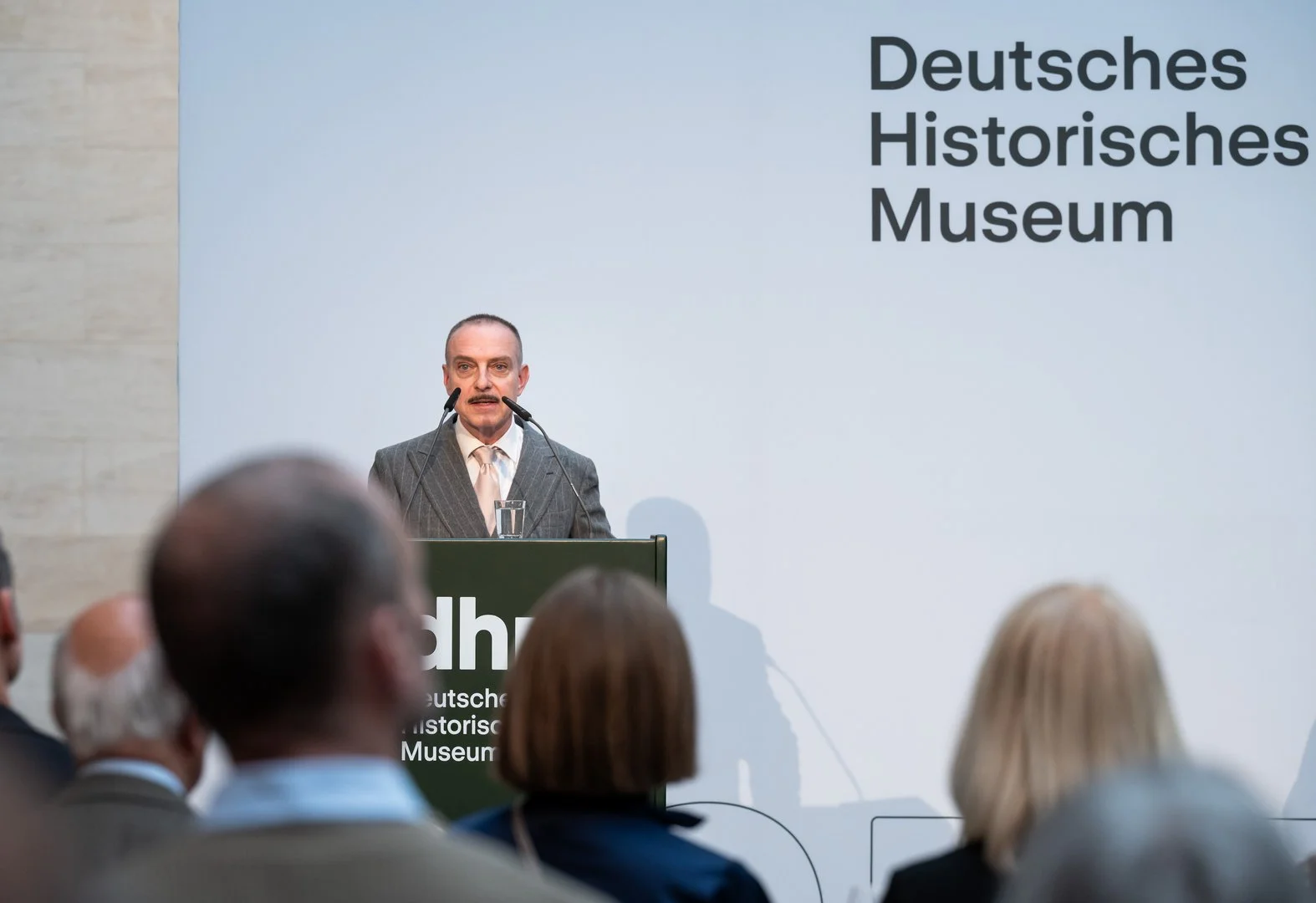
Wolfgang Cortjaens, curator of the exhibition “Objects. History. Stories”, during his speech © DHM/Harry Schnitger
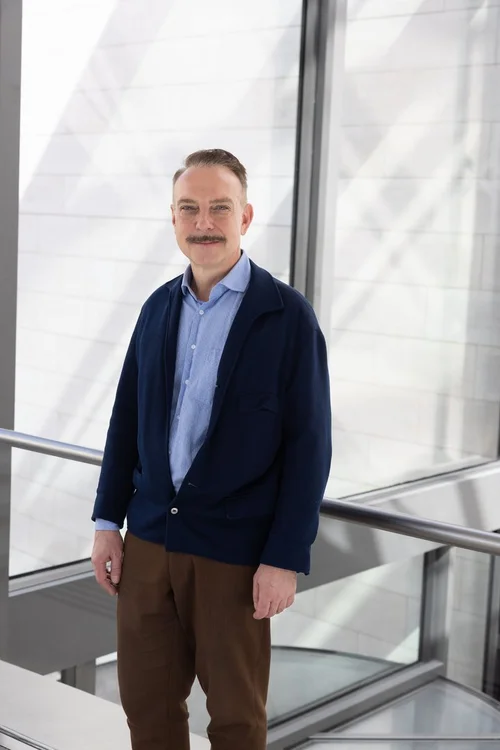
Dr Wolfgang Cortjaens is Head of Applied Arts and Graphics at the Deutsches Historisches Museum.
30 September 2026
2 Min.Objects. History. Stories.
17 September 2026
2 Min.Objects. History. Stories.
9 September 2026
Simon SachaObjects. History. Stories.
12 August 2026
7 Min.Objects. History. Stories.
3 July 2026
Wolfgang Cortjaens , Dorlis BlumeObjects. History. Stories.
26 May 2026
Wolfgang CortjaensObjects. History. Stories.
26 May 2026
Charlotte KlonkObjects. History. Stories.
26 May 2026
Raphael GrossObjects. History. Stories.
26 May 2026
EditorsObjects. History. Stories.