
Zeughauskino Wins Cinema Award from the Association of German Cinematheques
26 October 2026
Editors , Jörg FrießZeughauskino
26 October 2026 Reading duration 5 Min.
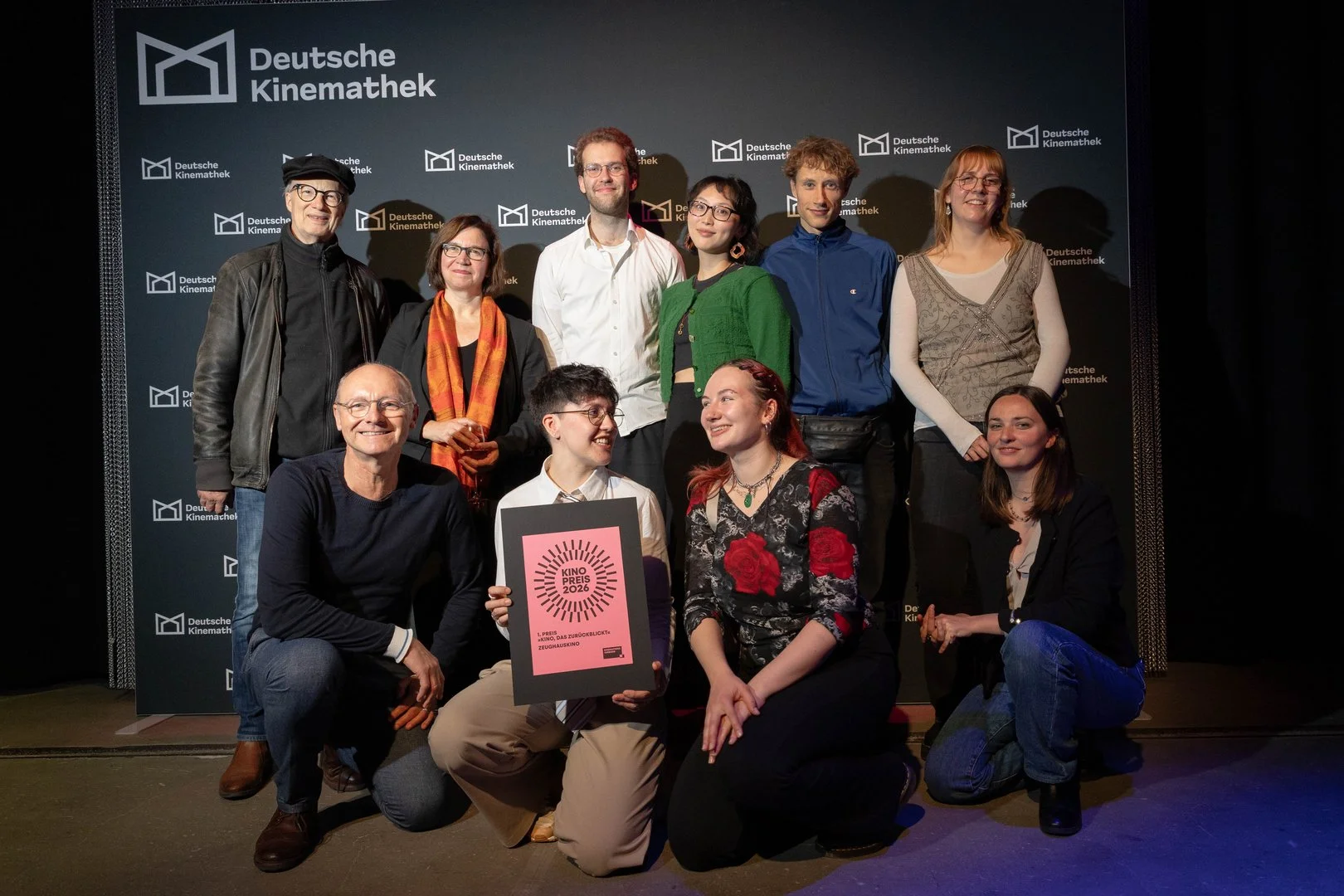
Jörg Frieß has served as the director of the Zeughauskino, the DHM’s in-house cinema, since August 2006. This year, the Kinematheksverbund (Association of German Cinematheques) awarded him and his team first prize in the “Cinema That Looks Back” category of its annual cinema awards. We spoke to him about the award, the Zeughauskino, and how he and his team approach programming.
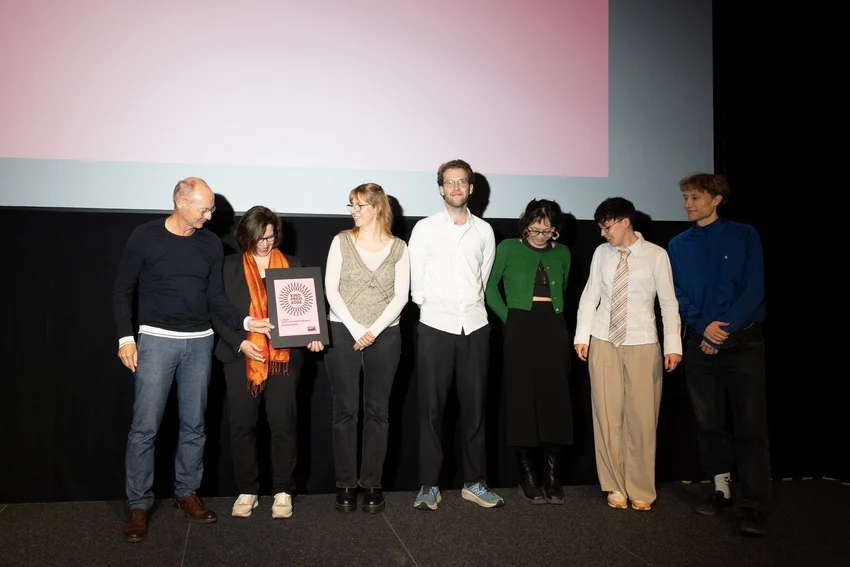
At the awards ceremony (L-R): Jörg Frieß, Dorlis Blume—Director of the Exhibitions Department at the Deutsches Historisches Museum —and members of the Zeughauskino team; photo: Julka Seifert
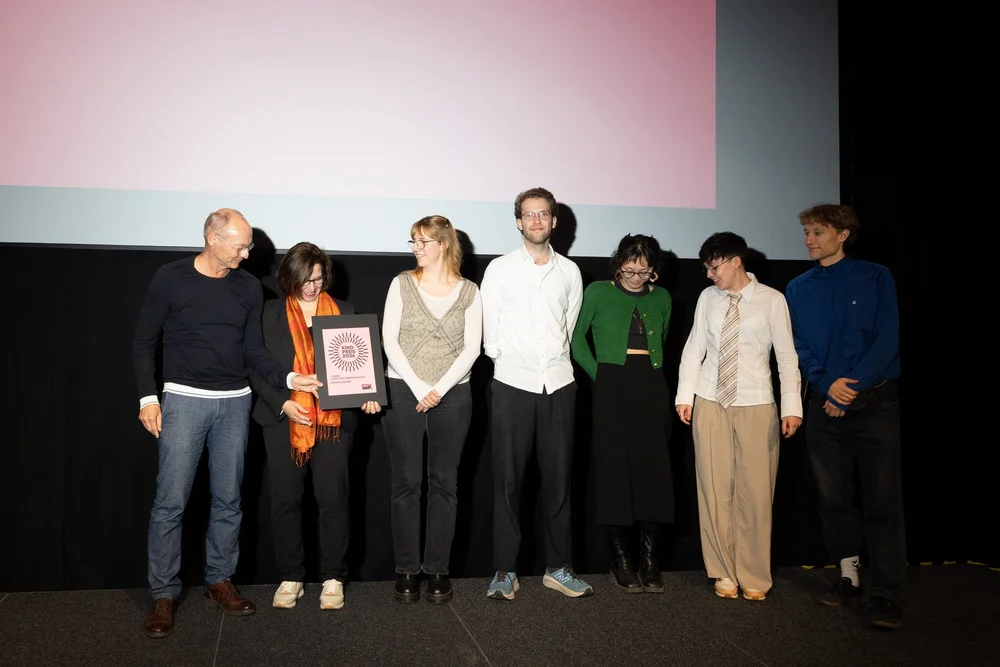
At the awards ceremony (L-R): silent film musician Günter A. Buchwald, Jörg Frieß, Dorlis Blume, and members of the Zeughauskino team; photo: Julka Seifert
DHM Journal: Congratulations, Mr Frieß! On 24 October, the Kinematheksverbund awarded the Zeughauskino first prize in the “Cinema That Looks Back” category. Can you tell us a little about the award?
Jörg Frieß: The Kinematheksverbund is an association of Germany’s main film heritage institutions. Each year, it gives awards to publicly funded cinemas whose programmes in the previous year – 2025, in this case – made an outstanding contribution to film culture. There are several categories, and one of them is aptly called “Cinema That Looks Back”. It goes to cinemas whose film history series were particularly original and varied.
What was it about the 2025 programme that set it apart? Which series were the year’s highlights?
The jury’s citation mentioned two retrospectives: Film Pioneers! Female Directors in Germany from 1917 to 1932 and What Was to Remain of the GDR: The GDR State Film Documentation. These series certainly were exceptional. They were both based on extensive archival research by the curators, which gave our audiences the opportunity to see many rarely screened films and to look at film history in a new light. Personally, I find it hard to single out individual retrospectives. But I do think the fourth-quarter programme as a whole was a real success. Several series focused on women’s contributions to German and international film history, approaching them from very different historical, aesthetic, and social angles. In addition to Germany’s pioneering women directors, we explored the work of the feminist curator Vivian Ostrovsky, the international career of the Kyiv-born actress Anna Sten, and the films of Viola Stephan. It was an unusually rich and eclectic programme, with a great deal to discover.
Were there any particular challenges that you and your team had to overcome?
As in previous years, it took time to track down some of the historical film prints, and a great deal of work went into organising several of our silent film concerts. Luckily, I have an excellent team and our musicians have a real flair for improvisation, so we managed to sort everything out. Towards the end of the year, we also had the rather tricky job of moving our digital projector from the Zeughaus to the Pei Building, something we’d originally planned to do later. The projection room there is much smaller, so the projectors had to be rearranged. It was a complicated and somewhat fraught operation, but everything worked out well in the end.
How do you go about putting together the Zeughauskino’s retrospectives? What goes into planning a film series?
Because the Zeughauskino programme comes out only four times a year, we have to plan quite far in advance. Inspiration comes from all kinds of places. Some series are designed to complement exhibitions at the DHM, in which case we start by talking to the curators. Most of our series, however, are unrelated to the exhibitions. They’re based on our own ideas or on the suggestions of external curators. We discuss possible themes and approaches, view films, and put together wish lists of what we’d like to show. We then consult archives and rights holders to find out what is actually feasible – that is, which films are available and in good enough condition to be screened. Finally, we think about how we want to present the films and who we might invite as guests.
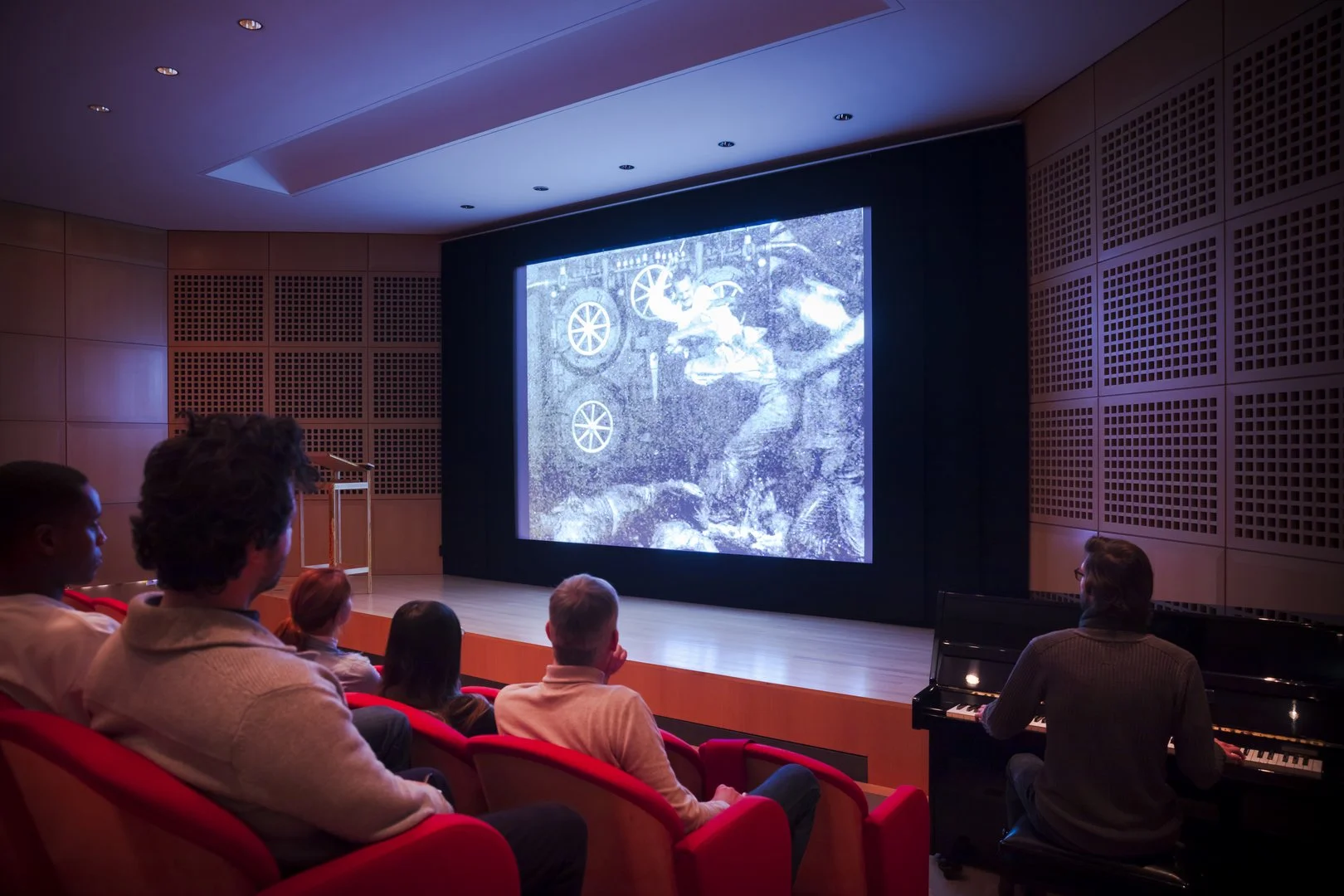
Silent film with piano accompaniment in the Pei Building, photo: DHM/David von Becker
Cinema seats in the Pei Building; photos: DHM/Yu Minobe
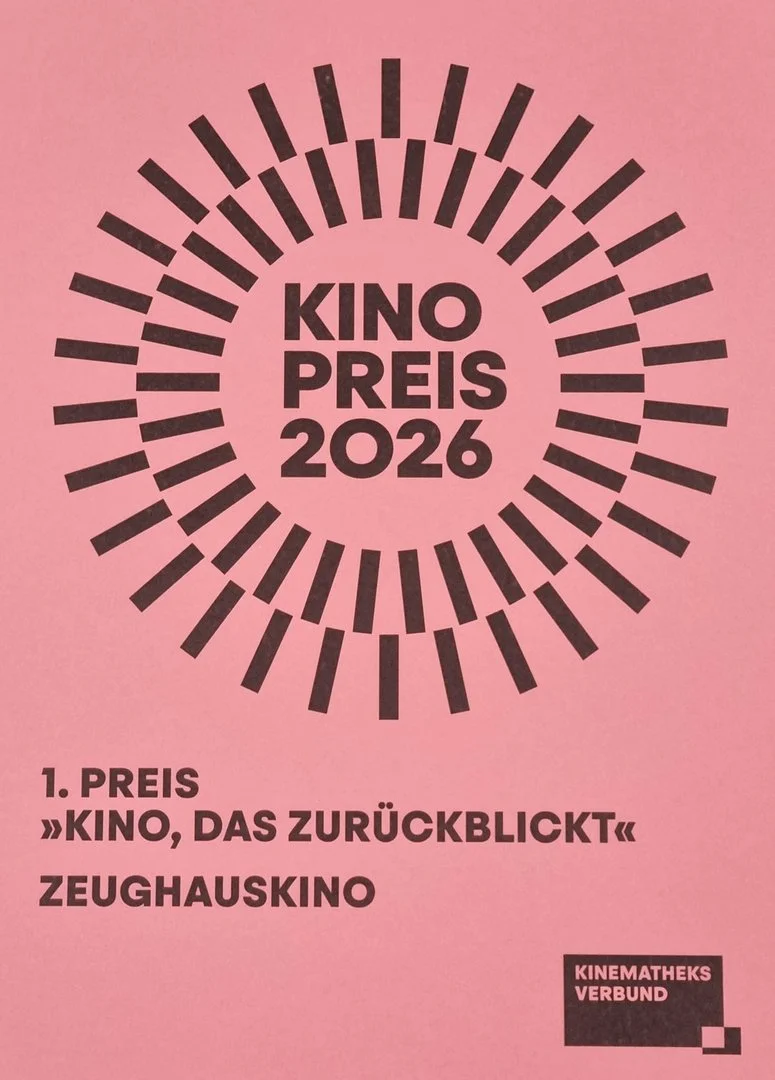
Certificate of the Kinematheksverbund (Association of German Cinematheques)
Can you give us a sneak preview of the upcoming programmes?
Since our fourth-quarter programme has already been announced, let me tell you about two series coming up in the first quarter of 2027 that we’re particularly looking forward to. One will focus on the craft of showing films, with stories about screenings, projectionists, and life in the projection room. We’ll also be continuing our long-running series “Documentary Positions”, which showcases German documentary filmmakers working outside the mainstream. We’re very pleased that Christoph Hübner and Gabriele Voss will be joining us in February and March.
How important is it for you and your work that the Zeughauskino is part of the Deutsches Historisches Museum, Germany’s national history museum?
It is central to both our programming and the way we engage with audiences. I see the Zeughauskino’s retrospectives as an invitation to view the films as historical documents, explore their place in the history of cinema, and consider their aesthetic qualities. Many of our programmes look at films in their historical context, asking how they reflect and respond to historical developments and how they shape ideas about history or are themselves shaped by those ideas. I don’t know of any other history museum in the world whose cinema has a programme of comparable scope devoted to these questions.
We keep hearing that cinema is in crisis. Is that true of the Zeughauskino? What are the main challenges you face?
I don’t think the Zeughauskino is in crisis. We can show a wide range of retrospectives drawing on the entire history of cinema, just as we’ve always done, and audiences continue to respond with enthusiasm and interest. Of course, the work is not without its challenges. It’s getting harder and harder to find analogue prints, for example, which makes it difficult to put together ambitious retrospectives. Another major challenge is the constant need to adapt to new technological developments, including changes in how digital film copies are made available. Fortunately, it’s a challenge we’re well equipped to meet.
Thank you!
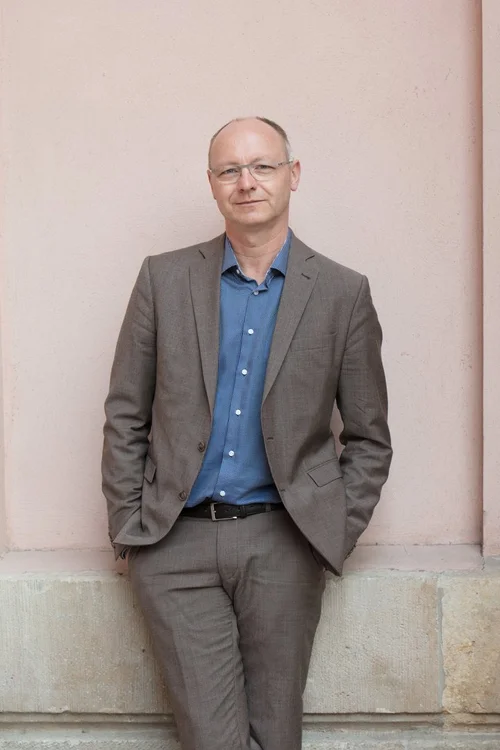
Jörg Frieß is the head of the DHM’s cinematheque and its in-house cinema, the Zeughauskino.
26 October 2026
Editors , Jörg FrießZeughauskino