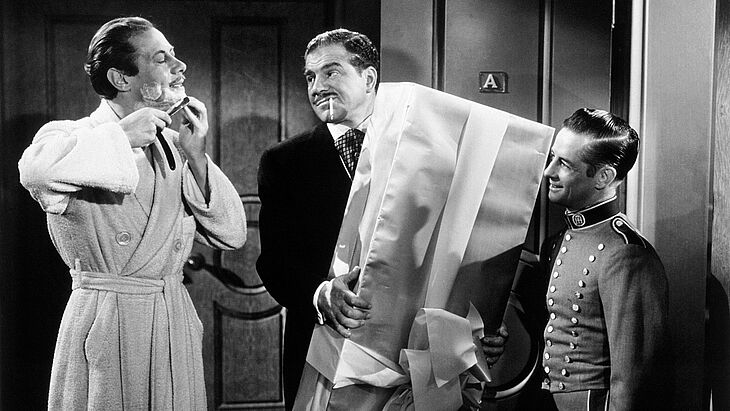
Unfaithfully Yours
The films of Preston Sturges
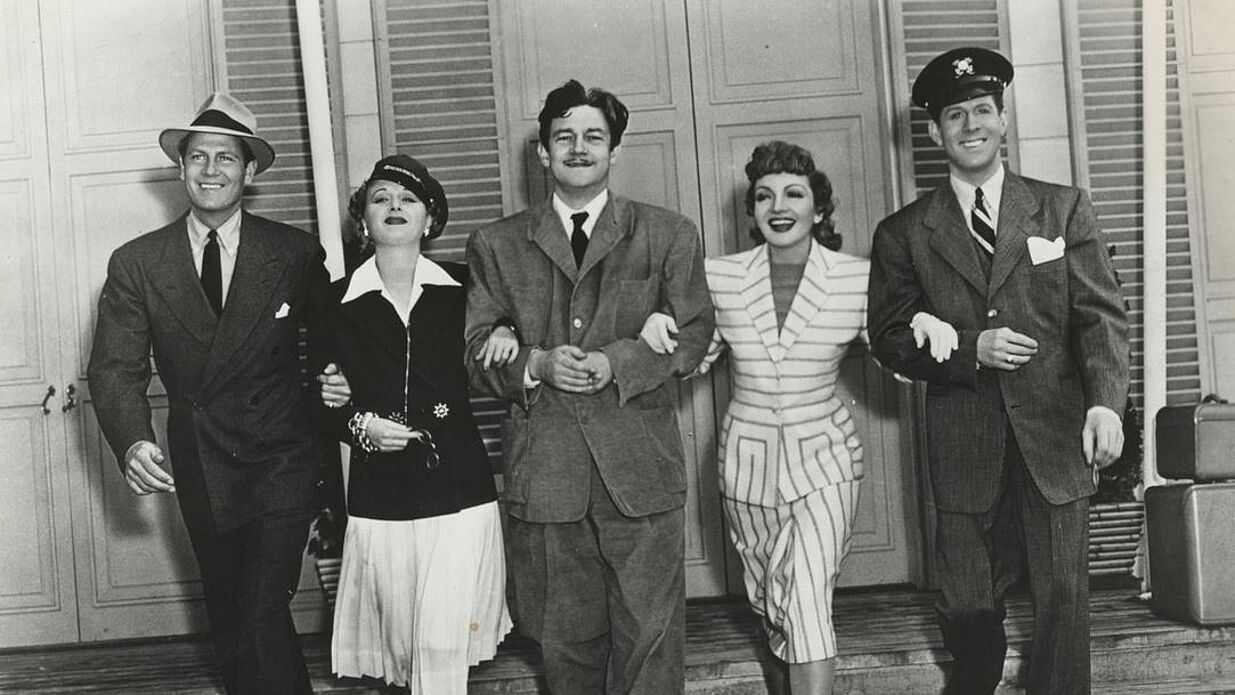
He was not a man for the long haul. Preston Sturges swept through American cinema like a whirlwind. For a few years, audiences were captivated by him and his high-speed farces before he disappeared from the spotlight just as quickly as he had arrived. Among the greats of classic Hollywood cinema, he was the eccentric prodigy, always two or three steps ahead of the competition.
His path into the film business was not that unusual. The son of a singer who moved in bohemian circles, Sturges grew up between New York and France. After numerous odd jobs, he found his way into cinema via the theater and made a name for himself as a screenwriter in the 1930s, when Hollywood was hungry for talented dialogue writers following the introduction of sound films — yet he remained a small cog in the big machine. The strict division of labor in Hollywood studios at the time was a thorn in Sturges' side from the very beginning. The lively dialogues he put on paper were subsequently watered down by other writers or disappeared never to be seen again in the drawers of studio bosses, and if they did survive until filming began, they were, at least in Sturges' opinion, toothless, thanks to overcautious, uninspired directors.
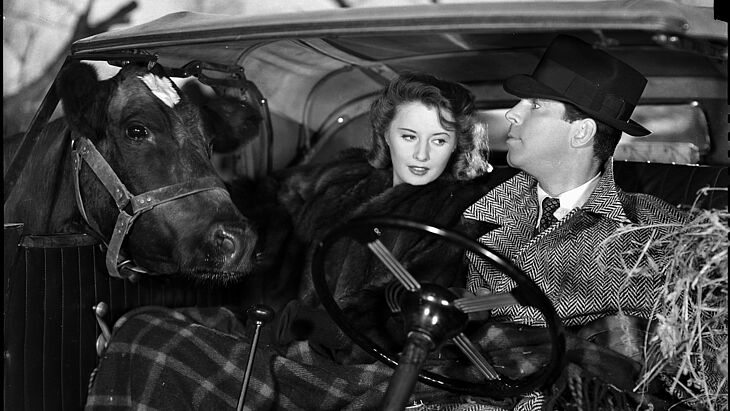
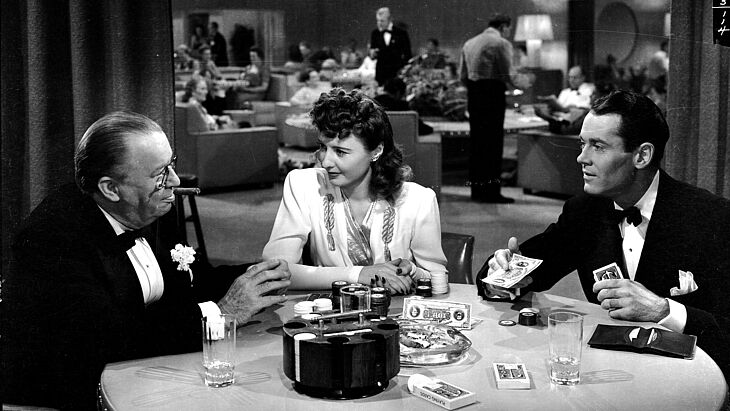
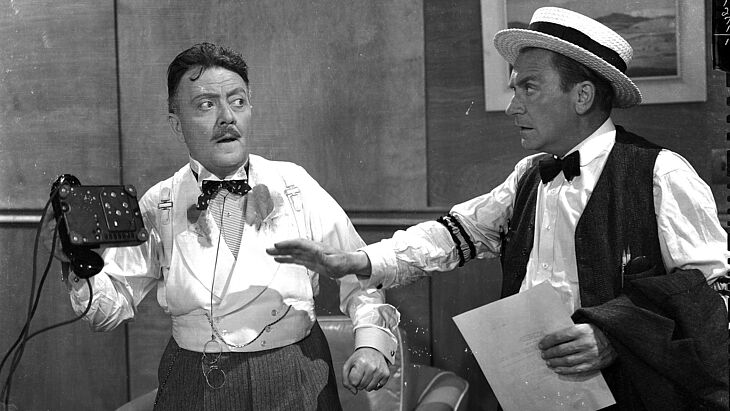
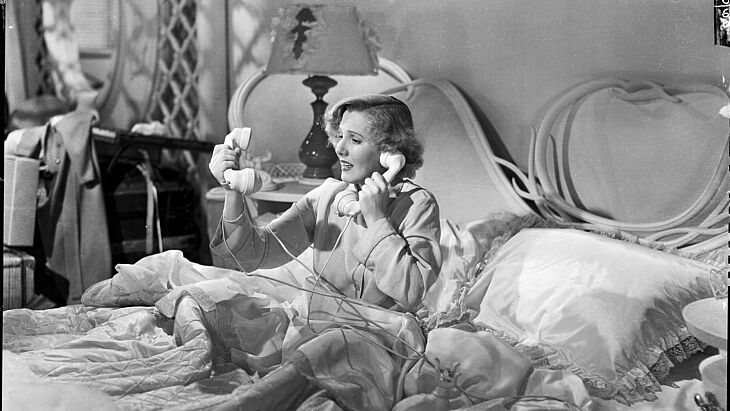
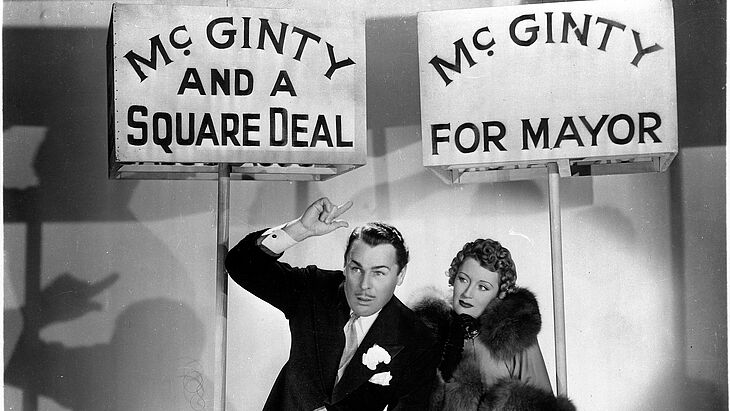
In 1939, Preston Sturges finally achieved something that was unheard of in the studio cinema of his time: he sold his latest screenplay to Paramount for just $10 – on condition that he would be allowed to direct it himself. His directorial debut, The Great McGinty, was a box office hit, Sturges won an Oscar for his discount screenplay, and he had a few precious years of free rein. Unlike Orson Welles, who was shaking up Hollywood at almost the same time, Sturges was not a cinema revolutionary, but rather a fearless eclecticist who picked out the liveliest traditions of US film history and formed something new and unique out of them. In his films, free-flowing slapstick kinetics are combined with screwball wordplay, satirical sharpness—especially with regard to the fragile promises of capitalism after a halfway overcome global economic crisis—and a benevolent, humanistic view of human imperfection.
Sturges made eight films for Paramount between 1940 and 1944, all of them—an absolute exception at the time—based on his own screenplays; a whole series of them are now considered classics of Hollywood comedy, and most were huge box office hits. Sturges, however, longed for even more independence – and teamed up with Howard Hughes, another notorious eccentric of the studio era. Like almost all of Sturges' attempts to build on his previous successes in the post-war period, the collaboration was ill-fated. Hollywood had spat Sturges out again – perhaps simply because it couldn't keep up with him. “Nothing reveals more about the sad state of contemporary Hollywood cinema than its inability to let Sturges continue working at the same breathtaking pace as before,” wrote critic Manny Farber in 1954. (Lukas Foerster)
Lukas Foerster is an author and curator. Among other things, he works on the program team at Filmhaus Nürnberg.